Mack R Model: History, Engines, Variants and How to Spot One
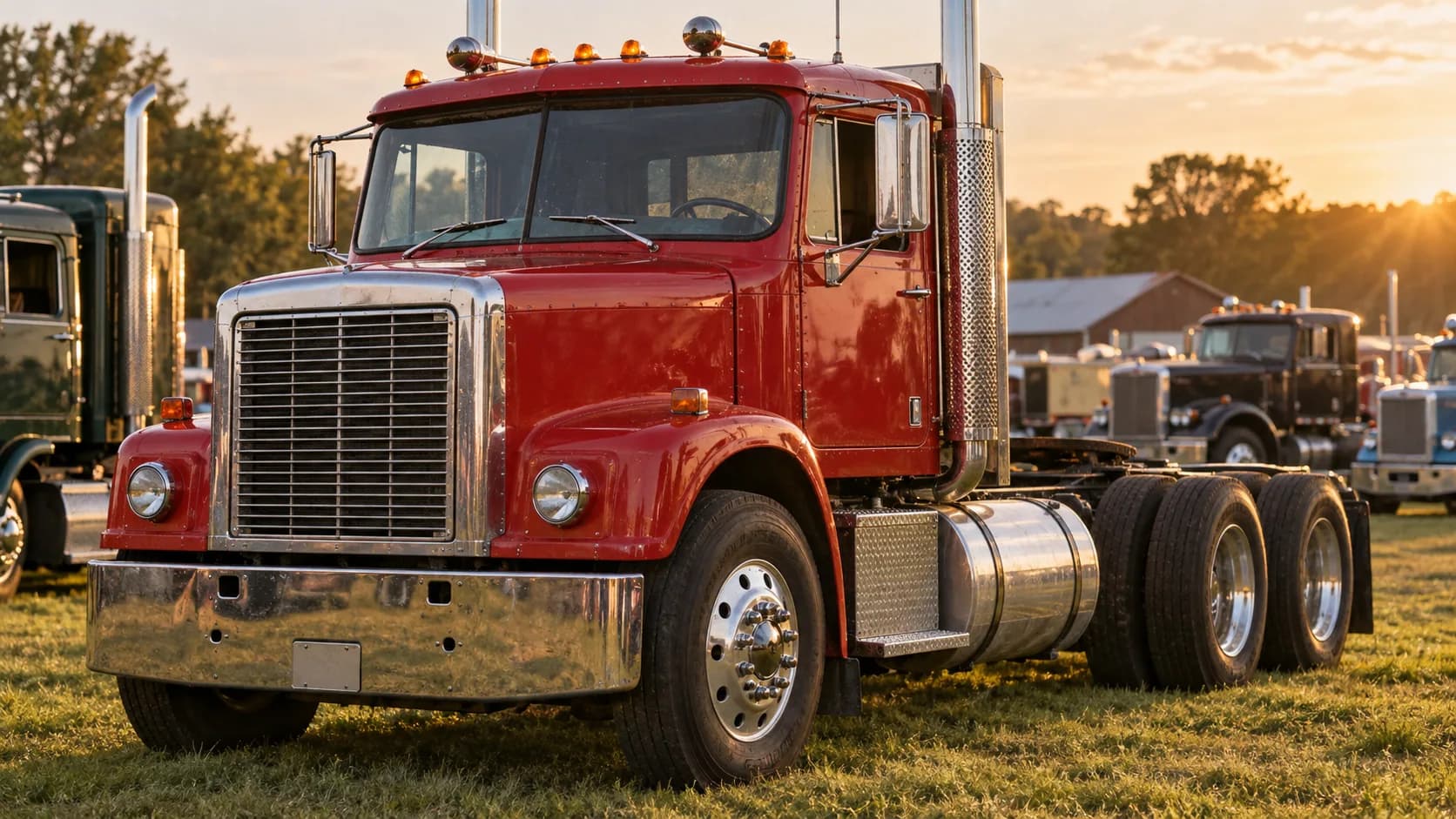
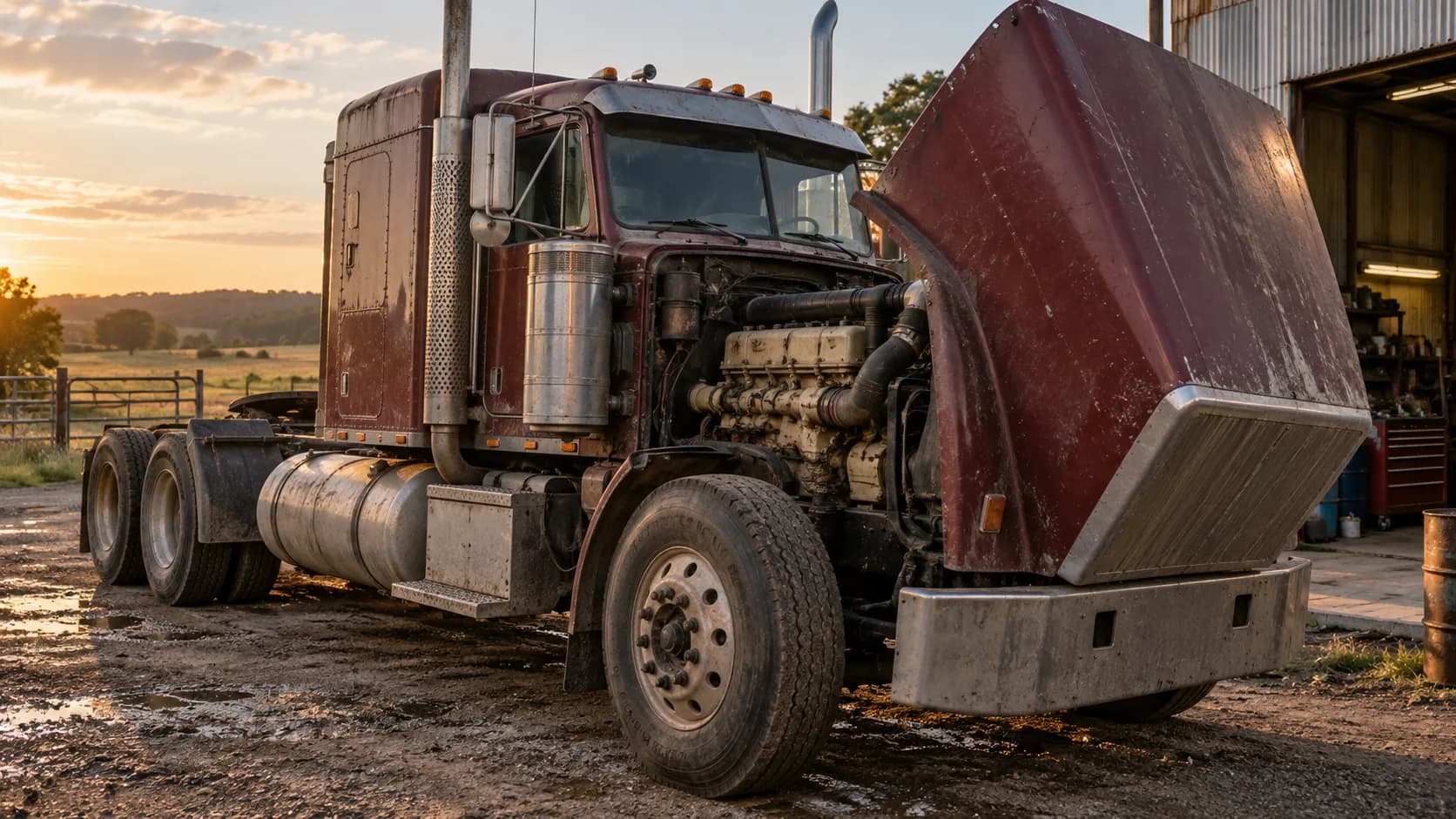
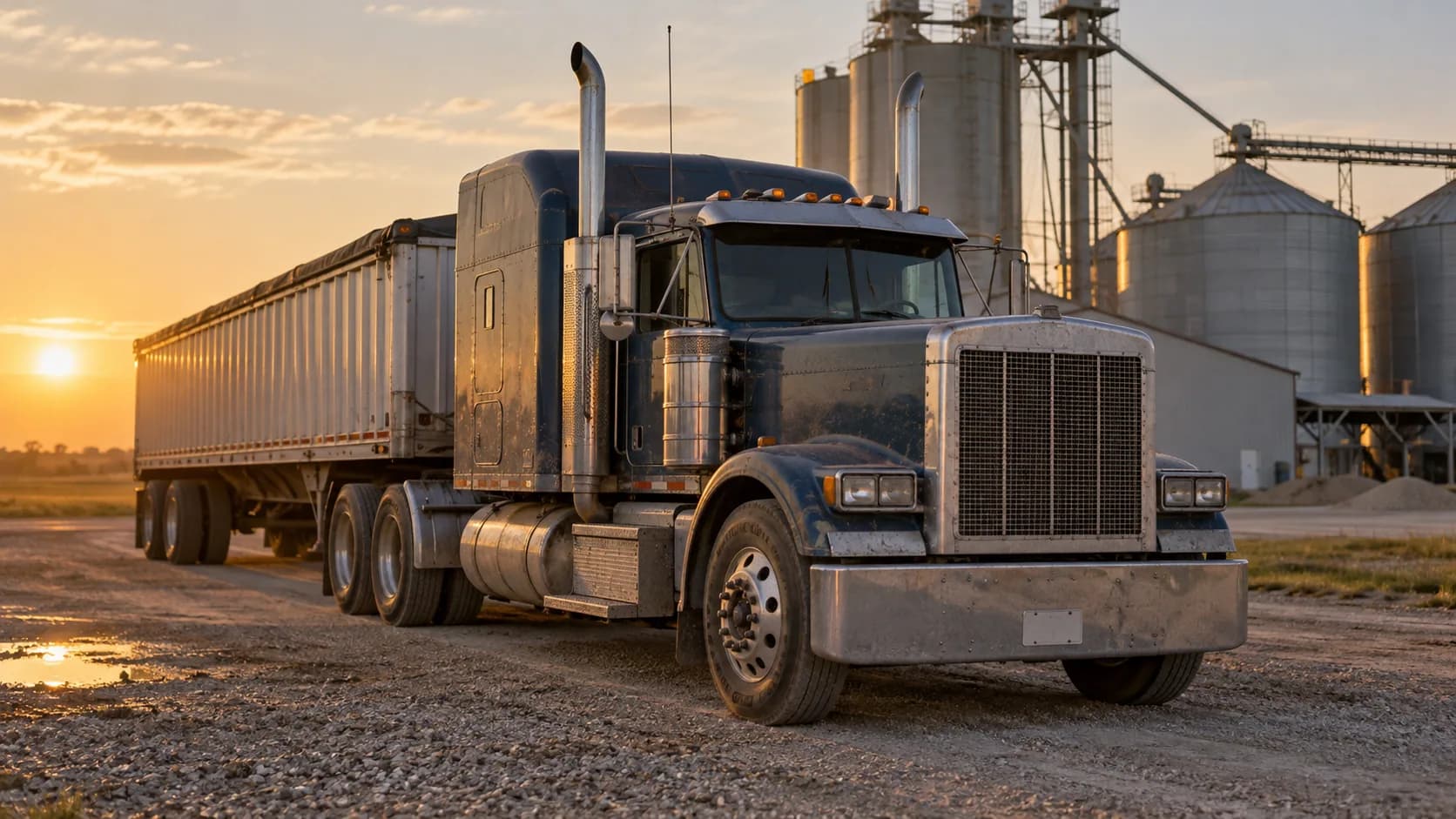
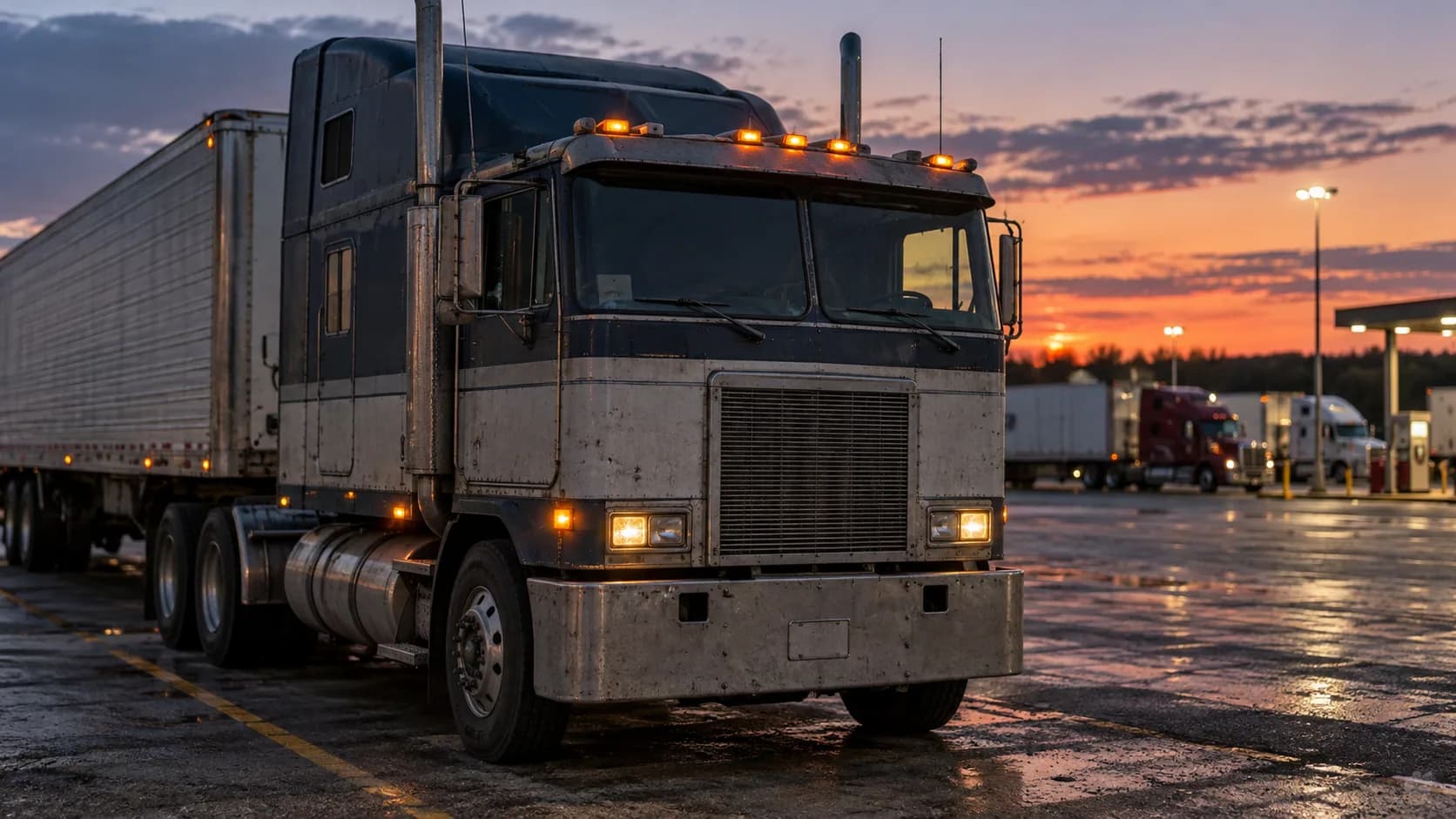
Ask anyone who drove gravel, logs or fuel in the late twentieth century to picture a Mack, and odds are the truck that comes to mind is an R model. The renders above are AI-generated images of square-nosed conventional trucks at a show field, a quarry and a riverside pull-off, and they carry no Mack badge or bulldog, so treat them as mood pieces rather than portraits of a real R. The history behind the R is real, though, and it spans roughly four decades.
A Four-Decade Run
Development of the R series began in 1965, and production overlapped with the outgoing B series to ease the change for customers. Model years run from 1966 to 2005. The R was built in Allentown, Pennsylvania, moving to a plant in Lower Macungie Township after 1975, and some versions came out of Hayward, California, until Mack closed that plant in 1980. Mack Australia and New Zealand assembly, plus licensed production in Iran before 1979, carried the design overseas.
The R arrived with ideas that later looked normal: an air-ride cab, an integral engine compression brake, and a drivetrain built to cut the need for an auxiliary transmission. Its one-piece, front-hinged fiberglass hood became an industry standard. In 1973 the cab got a deeper rear wall for more room and a new dashboard.
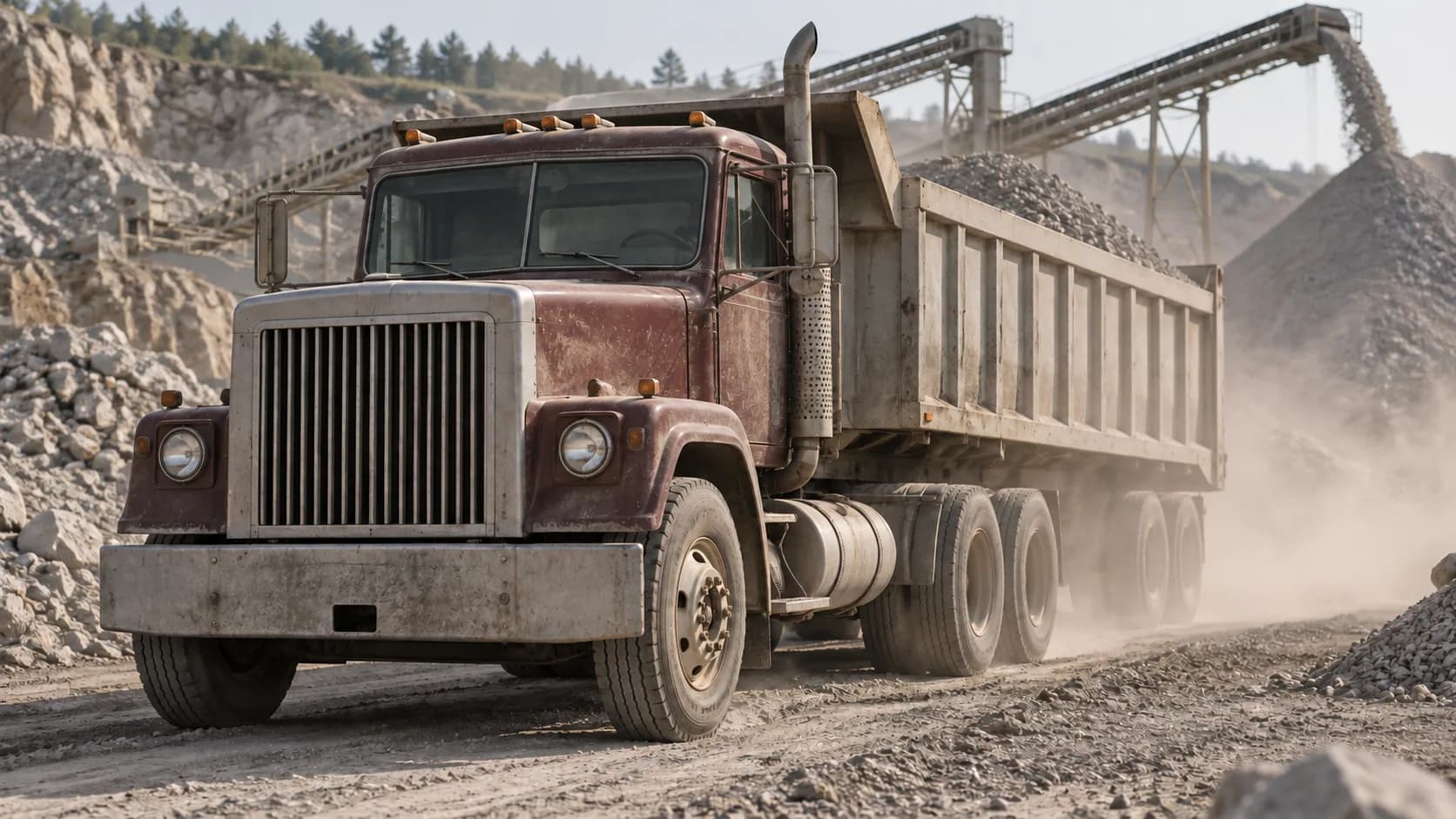
The R Family: R, RD, RL, RW and More
The letters matter when you are reading a title or a data plate. The plain R was the standard highway model. The RD was the heavy-duty version, and it received a new nose in 1991. The RS and RL were Western models with steel and aluminum frames, with the RL introduced in 1967. The RM and RMM were 4x4 and 6x6 municipal and maintenance chassis, and the RB, a setback front axle version, came along in the 1990s. Suffix letters add detail: T for tractor, S for six-wheel, L for lightweight and X for extreme duty.
The short-hood, offset-cab U model also belongs to the family, and so do the DM and DMM, the heavy-duty construction versions with the DMM adding all-wheel drive.
The RW is the branch that surprises people. Mack's RW700, sold as the Super-Liner, began as a Brockway project with a squared-off hood to fit a bigger radiator and engine. When Mack closed Brockway in 1977, it finished the truck itself. The Super-Liner used the R-series cab and model designation but rode on the frame of the WR Cruise-Liner cab-over. North American production ran from 1977 to 1993, and the Super-Liner has been sold in Australia since 1980, where locally built versions shared their frames with the R series.
Maxidyne, Maxitorque and the E6
The engine story is why the R became a legend among drivers. Mack offered other engines in the R, but the Maxidyne diesel defined it, starting with the ENDT-675 in 1966. It was an 11-liter inline six making 237 horsepower, modest on paper, with 906 lb-ft of torque at 1,200 rpm. The point was the torque rise: about 52 percent, against the 15 to 20 percent typical of the era. Power stayed close to constant from roughly 1,200 to 2,100 rpm.
That flat curve let Mack pair the engine with the five-speed Maxitorque transmission. With so wide a working band, a driver needed fewer, more widely spaced gears and less shifting than with the multi-speed gearboxes common at the time. The intercooled Maxidyne 300 series followed in 1973, making 285 to 315 hp and 1,080 lb-ft.
Mack's engine codes read like a recipe. EN meant gasoline, END diesel and ENDT turbocharged diesel, followed by a three-digit number loosely tied to displacement in cubic inches. Around 1980 the naming shifted to the E series, and in the 1980s the Maxidyne family evolved into the E6, built around a 672-cubic-inch block. By 1988 an M marked Maxidyne wide-power-range tuning, C marked California certification and L marked the low-speed Econodyne. The 728-cubic-inch (11.9-liter) E7 arrived in the late 1980s. Across the range, R-series ratings ran from about 200 to 440 hp, with Mack/Fuller manuals and Allison automatics listed.
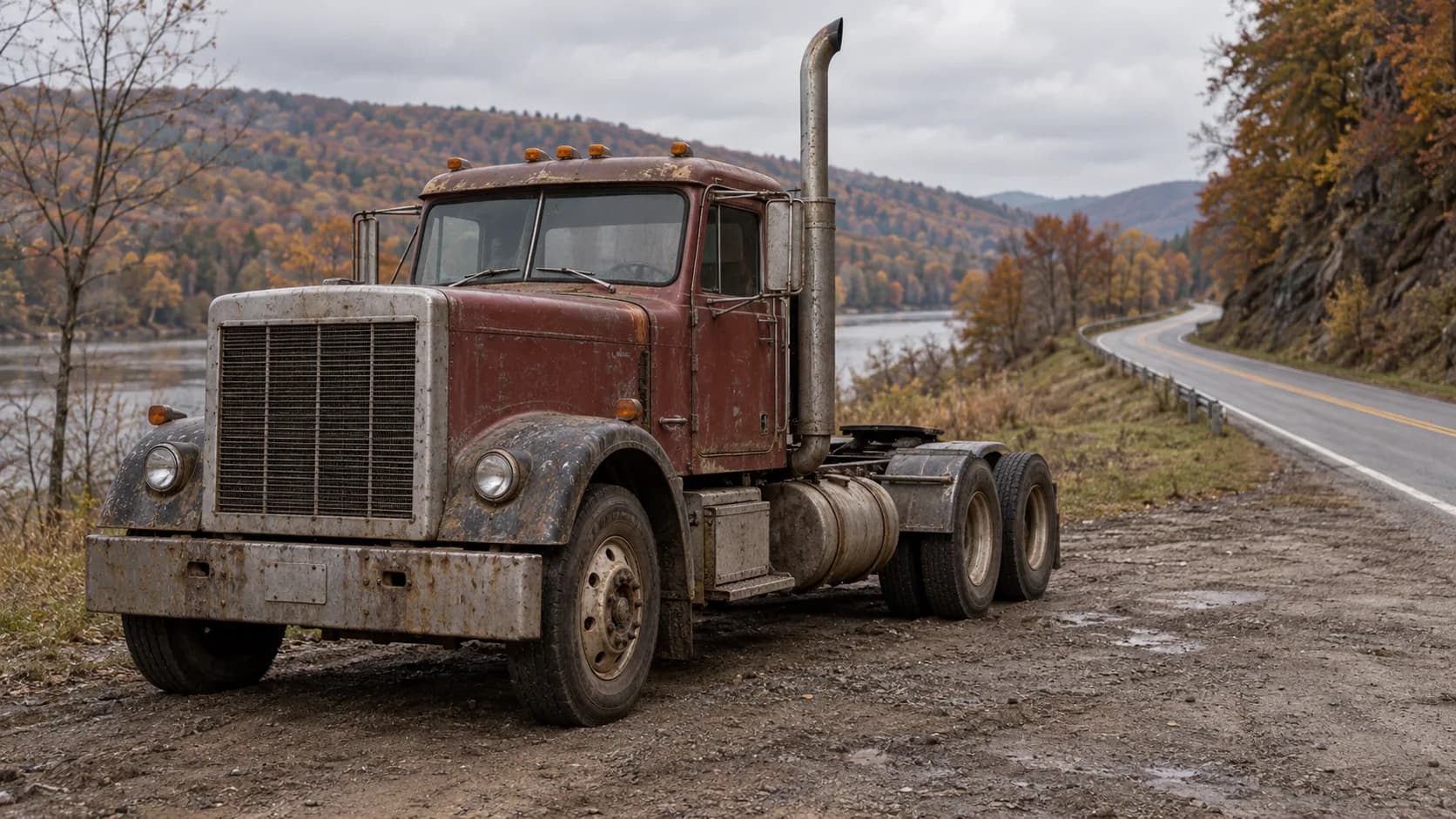
How to Identify an R Model
Start with the hood. A one-piece fiberglass hood that tips forward from the front is the classic R arrangement. Some heavy-duty and municipal versions, often those carrying plows or front-mounted gear, used steel butterfly hoods instead, so a steel hood does not rule a truck out.
Next, check the nose. Round headlamps mark the original 1965-style nose, while the RD's 1991 front end, with square sealed-beam headlights, is the later face. A squared-off hood built around a big radiator points to an RW Super-Liner rather than a plain R.
The surest answer is on paper. The model code on the title or data plate, with its R, RD, RL or RW prefix and any T, S, L or X suffix, tells you more than any photo, and the engine tag gives the EN, END, ENDT or E6 designation.
The End of the R and the Granite
The highway versions were phased out in the 1990s in favor of the CH and CL. Severe-duty and construction versions held on much longer. Mack introduced the Granite vocational truck to dealers and press in Las Vegas in June 2001, and trade coverage at the time noted that the RD, then some 35 years old, had the smallest cab in the market. Mack called the RD the last of the R series and set its retirement for the end of 2003, marked by the R-Model Legend special edition with its own paint, badges, chrome, steering wheel and embroidered seats. How many Legends were built is unclear. The RB and DM were scheduled into later production, which is why 2005 is usually given as the final year.
The R left a long shadow. Its fiberglass tilt hood became standard practice, its Maxidyne and Maxitorque pairing changed how heavy trucks made and used power, and plenty of R models are still working dump, mixer and plow routes today.
Specs
- Model years
- 1966-2005 (development began 1965)
- Built in
- Allentown/Lower Macungie, PA; Hayward, CA until 1980; also Australia, New Zealand
- Key variants
- R, RD, RB, RS, RL, RM/RMM, RW Super-Liner, U, DM/DMM
- Launch engine
- Maxidyne ENDT-675, 11 L inline six, 237 hp, 906 lb-ft
- Power range
- About 200-440 hp
- Transmissions
- Maxitorque five-speed, Mack/Fuller manuals, Allison automatic
- Successor
- Mack Granite (from 2001) for vocational work; CH/CL on highway
FAQ
- What years was the Mack R model made?
- Development began in 1965 and model years ran from 1966 to 2005. The RD was retired at the end of 2003, while some construction versions ran into later production.
- What engine is in a Mack R model?
- Most use Mack's own diesels: the Maxidyne family, starting with the 237 hp ENDT-675 in 1966, later the E6 and E7. Ratings across the series ran from about 200 to 440 hp.
- What is the difference between a Mack R and an RD?
- The R was the standard model and the RD was the heavy-duty version used in construction and severe-duty work. The RD got a new nose with square headlights in 1991, and Mack called it the last of the R series when it was retired at the end of 2003.
- What replaced the Mack R model?
- The CH and CL replaced the highway versions in the 1990s, and the Granite, introduced in 2001, took over from the RD in vocational work.
Know someone who drove one? Share this guide
Get the Look
As an Amazon Associate we earn from qualifying purchases.
- Mack R model diecast truck — The R in scale for the shelf.
- Mack trucks history book — Background on the B, R and Super-Liner years.
- Mack bulldog hood ornament — The badge the renders above leave out.
Sources
- en.wikipedia.org — Mack_R_series
- en.wikipedia.org — Mack_Super-Liner
- jalopnik.com — diesel-mack-maxidyne-1966-constant-horsepower-trucks
- trucknews.com — the-end-of-an-era-mack-s-special-edition
- trucknews.com — 1003114263
- en.wikipedia.org — Mack_Granite
- bigmacktrucks.com — 67802-why-do-some-mack-trucks-have-the-steel-hood-and-grille-and-others-the-fiberglass-tilt-hood
- bigmacktrucks.com — 46588-production-of-v-8-maxidyne-under-way-by-mack-trucks
- bigmacktrucks.com — 682-maxidyne-300-e6-350-coolpower-etc