International 9670 Eagle Cabover: History, Engines and ID Guide
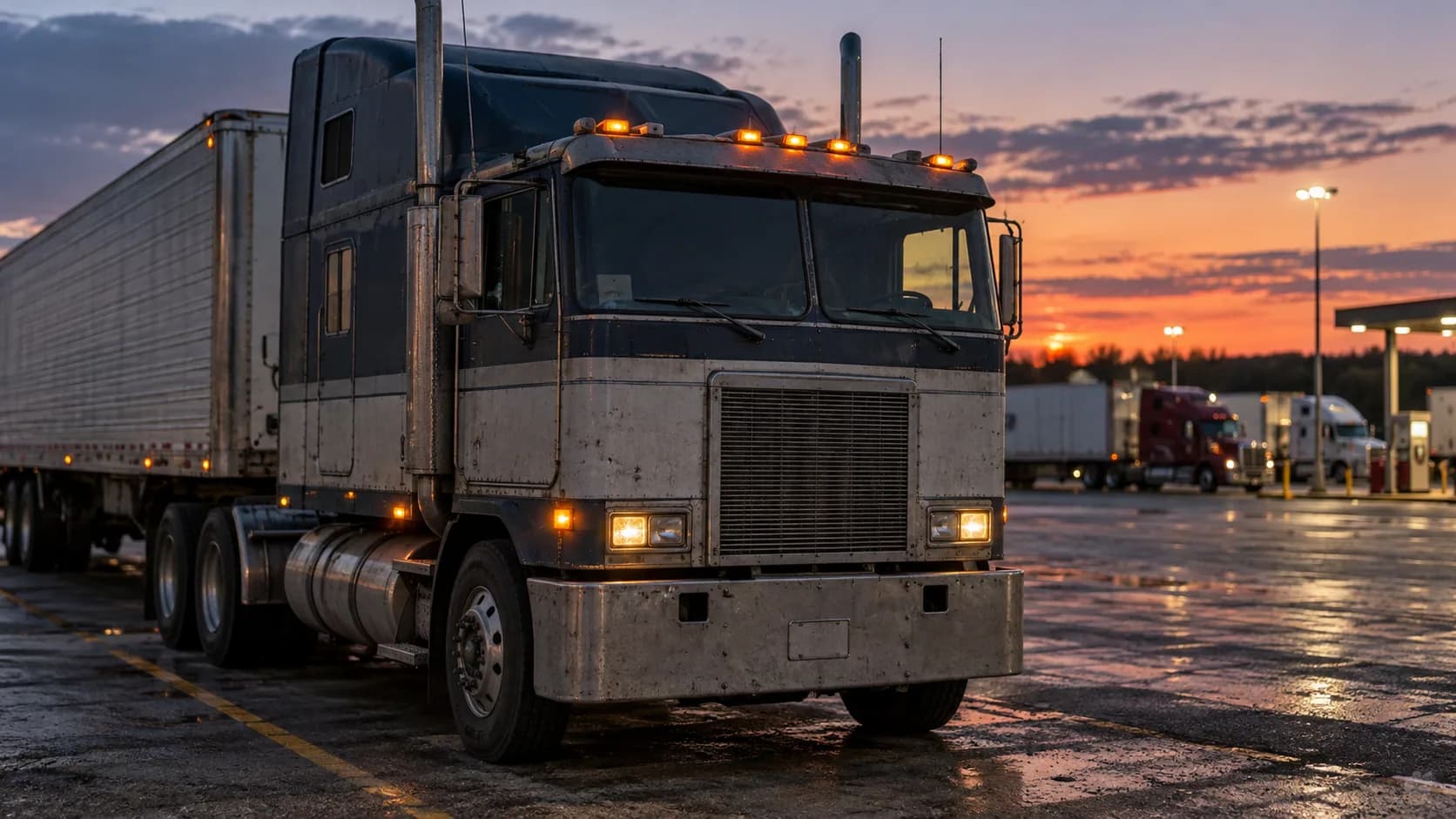
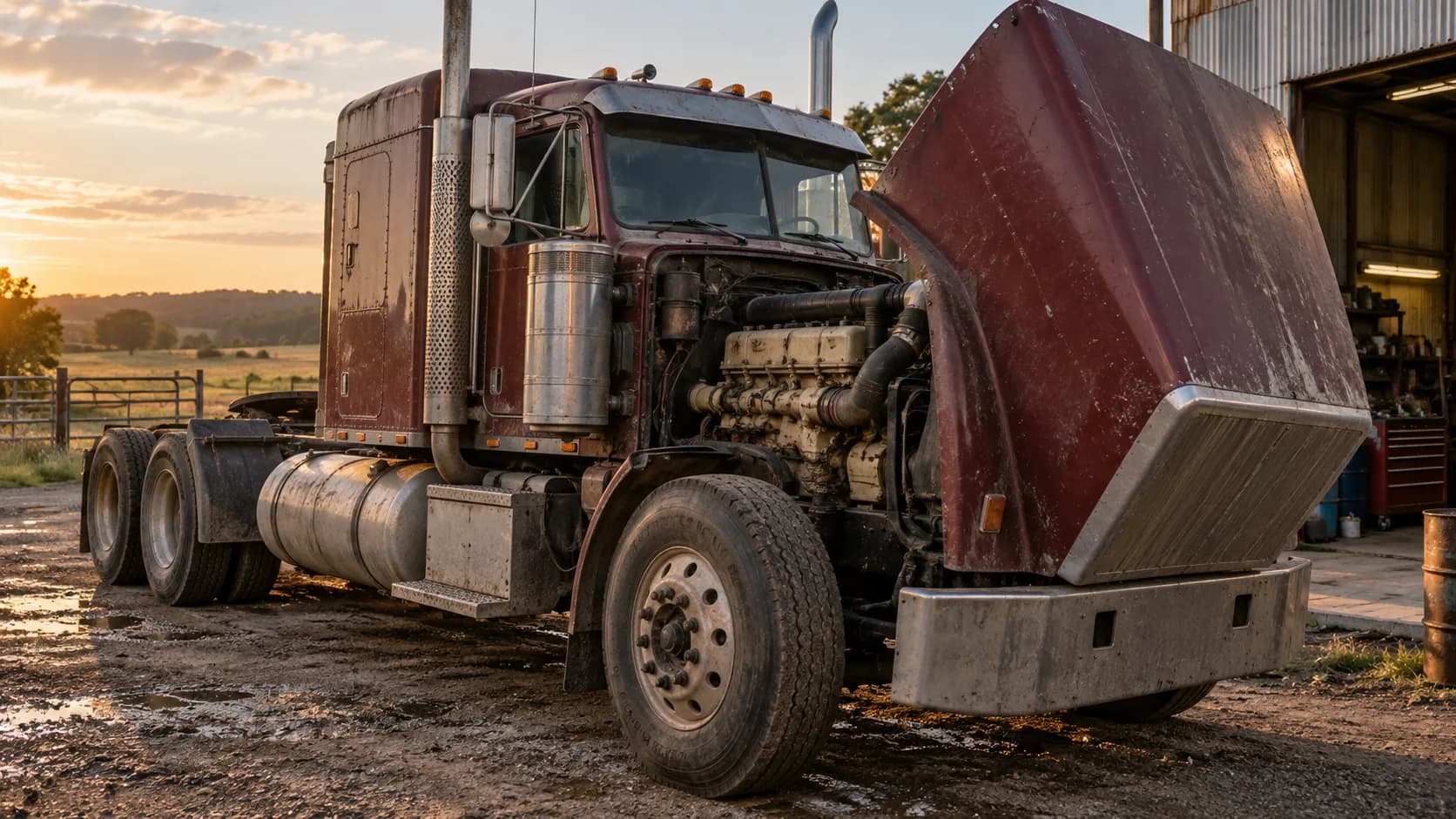
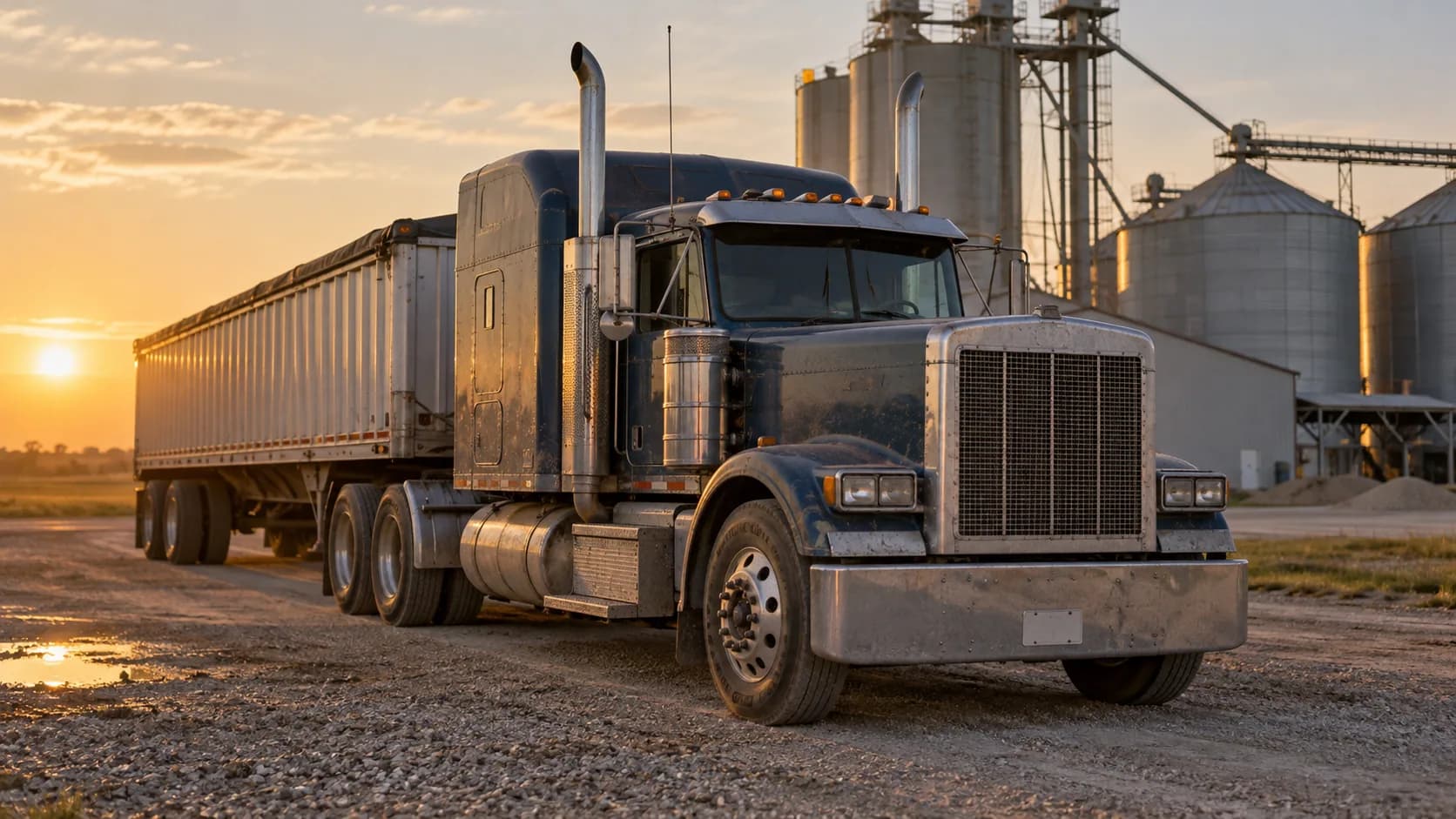
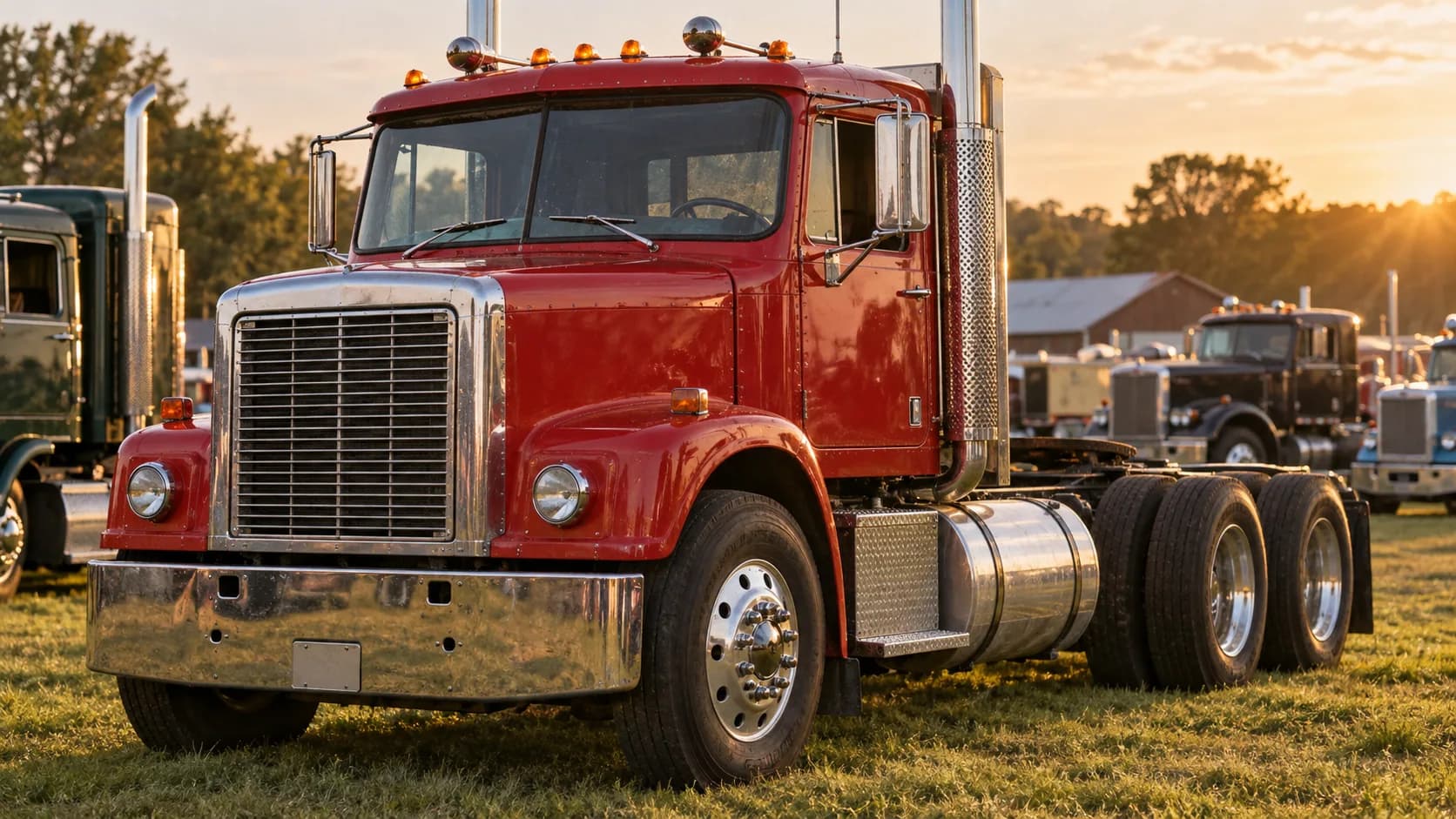
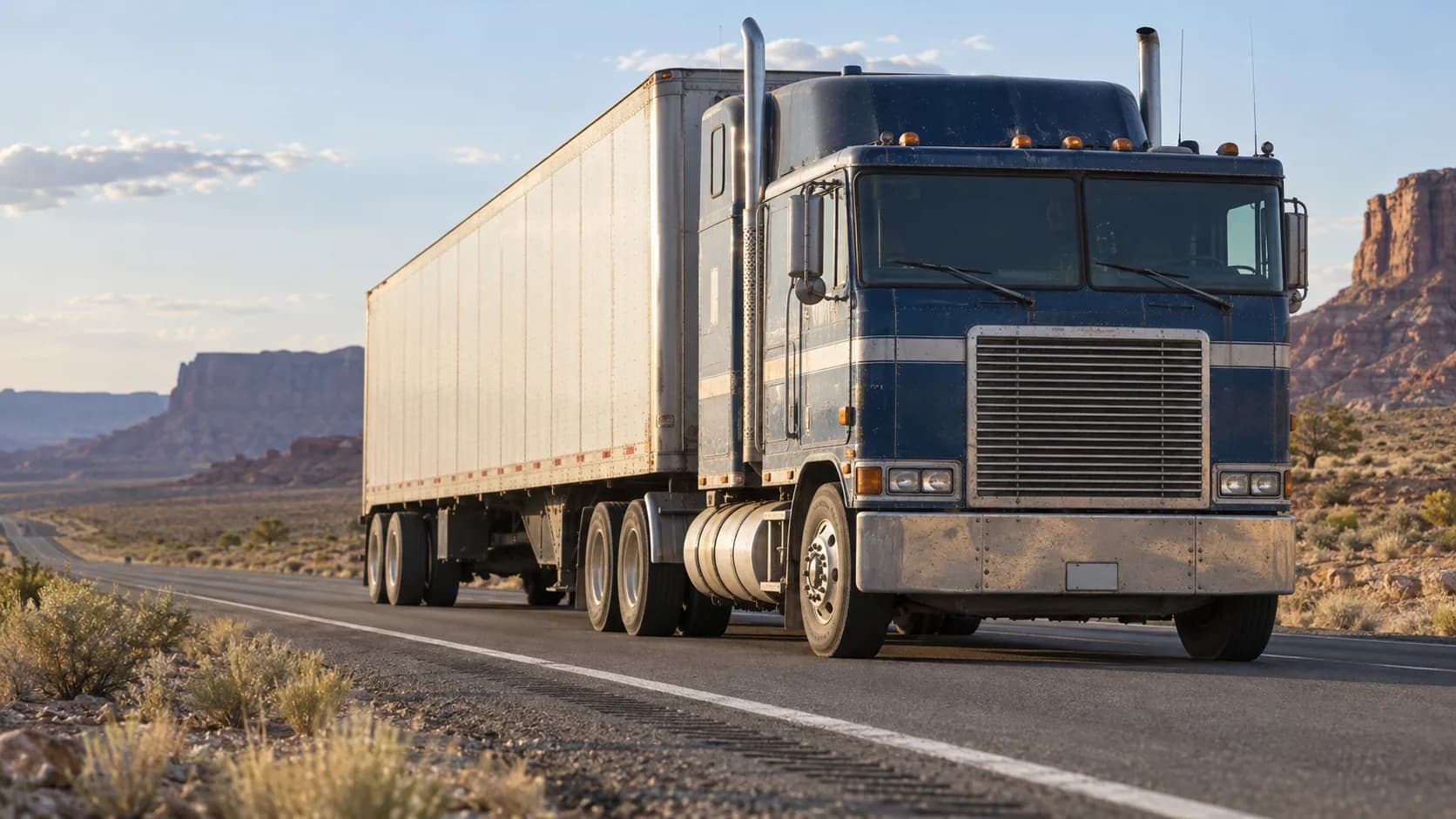
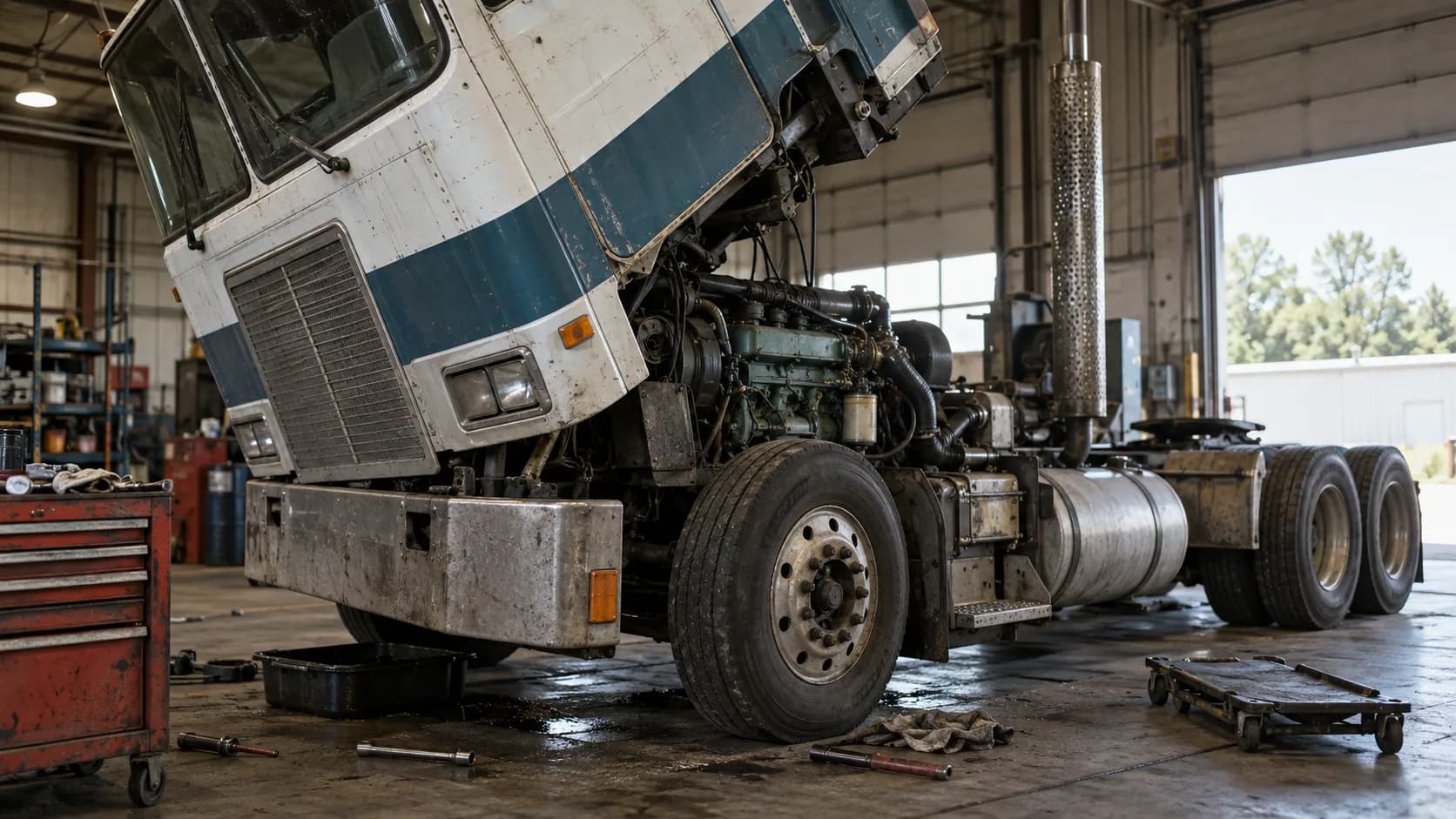
Before the long hoods took over American freight, a flat-nosed International was one of the trucks a driver could climb into and sit right over the front axle with the whole highway laid out under the windshield. The renders above imagine cabovers of that era on a desert two-lane, at a fuel island at sunset and tilted open in a shop, and they are AI images, not photos of real trucks, so their grilles, lamps and badges should not be read as factory International details. The story of the International CO-9670 and its Eagle trim is real, and it covers the last chapter of International's cabover in North America.
After the Transtar II
The Transtar cabovers carried International through the 1970s, and our Transtar 4070 guide covers that story. For 1981 International Harvester replaced the Transtar II CO-4070, in production since 1974, with the CO-9670. The new cab shared its doors with the Transtar 4300 conventional, and it was wider, with larger side windows and a larger windshield. International kept its trapezoidal grille and redesigned it to take in the headlights.
The company around the truck changed fast. International Harvester sold its agricultural division to Tenneco in 1985, and on February 20, 1986, the remaining truck and engine business became Navistar International Corporation. The 9670 carried on through that change, and in 1989 Navistar renamed it the International 9600. Some dealer listings call it the LT 9670.
The Eagle Trim
Eagle was International's premium dress-up name, not a separate model. The Wisconsin Historical Society holds an International Harvester publicity photo dated October 19, 1981, titled "International CO-9670 Eagle," and its description calls the truck an "ultra-premium" cab-over. The standard equipment it lists includes dual chrome air horns, snow shields, a bright-finish exhaust system, bright-finish mirrors and grille, parking lights and bumper-mounted fog lamps.
The Eagle name lasted well beyond the 9670. International later used it on conventionals such as the 9300 and 9400, which have their own guide on this site, and the later 9800 cabover was offered in customized Eagle trim. No factory list survived in the sources checked that separates every Eagle item on the 9670 from the base truck, so a seller's "Eagle" claim is worth checking against the paperwork and the cab badges.
Engines and Drivetrain
International went smaller on displacement with the 9670. In place of the big Cummins KT450 and Caterpillar 3408 engines offered in the Transtar II, the CO-9670 used the 855-cubic-inch Cummins N-Series diesel, which made 475 horsepower in twin-turbocharged form. Transmission choices listed for the 9000 cabover family include Eaton Fuller Roadranger 9- and 10-speed and RTLO-series manuals, plus Spicer manuals.
Surviving trucks show other combinations. A 1990 International 9670 shown at the Mid-America Trucking Show in Louisville had a 425 Caterpillar and a 13-speed, and dealer listings for 1990 LT 9670s describe Caterpillar 3406 engines. Without a factory option list by year, treat these as examples rather than a complete menu.
9670, 9600, 9700 and 9800: How to Tell Them Apart
The family grew while the original kept selling. In 1988 Navistar added the 9700, its first Class 8 cabover with a set-back front axle. Moving the axle back gave the cab a flat floor with no engine hump and walk-in access to the sleeper, and optional lower body skirting and an enhanced front bumper were offered. The 9600, the renamed 9670, stayed in production next to it and was the only 9000-series cabover offered as a day cab.
The 9800 arrived in 1996 as the flagship. It dropped the optional aerodynamic roof fairing in favor of a high-rise roof that gave far more standing room in the cab and sleeper. So a quick field guide runs like this: a 1981 to 1988 truck with a set-forward front axle is a 9670; the same truck from 1989 on is badged 9600; a set-back axle points to a 9700 or 9800; and a very tall integral roof points to a 9800. Check the title and VIN, because badges are easy to swap.
Why Cabovers Faded in America
Cabovers made sense when states capped the total length of a tractor-trailer. Every foot of hood was a foot taken from the trailer, so putting the engine under the cab bought cargo space. The Surface Transportation Assistance Act of 1982 changed that math. It created a National Network of highways where federal size limits apply, and under those rules no state may hold a semitrailer to less than 48 feet or impose an overall length limit on a tractor-semitrailer. Once the tractor's length no longer cut into the trailer, the conventional's roomier cab, bigger sleeper and smoother ride won fleets over. Weight rules still applied: the federal bridge formula ties how much a group of axles may carry to the distance between them, so axle spacing stayed part of every spec sheet, cabover or conventional.
Navistar kept the cabover going longer than most. It exited cabover production in North America for 1999, after the 9000 cabovers had been built in Chatham, Ontario, with the rest of its Class 8 trucks.
Legacy
The tooling did not go to scrap. After North American production ended, it went to Brazil, where the 9800i was built and exported through South America, with right-hand-drive trucks sent to New Zealand and South Africa. In 2004 assembly moved to Tauriko, New Zealand, where later versions were updated for Euro 4 and Euro 5 emissions. The final redesign, the 9870, ran until the end of 2024, when the 185th and last one was built.
In the United States the 9670 is now a show-field truck. The Kentucky owner of that 1990 Louisville show truck said it was worn out from front to back, so he redid all of it. That is the 9670's appeal today: a working cabover from the last years before the long hoods took the highway.
Specs
- North American production
- 1981-1998 (9000 cabover family)
- Predecessor
- Transtar II CO-4070 (1974-1981)
- Later name
- International 9600 from 1989
- Launch engine
- Cummins 855 cu in N-Series, up to 475 hp twin-turbo
- Transmissions
- Eaton Fuller Roadranger 9/10-speed, RTLO series; Spicer manuals
- Assembly
- Chatham, Ontario
- Family members
- 9700 (1988, set-back axle), 9800 (1996, high-rise roof)
FAQ
- What years was the International 9670 made?
- The CO-9670 was introduced for 1981 to replace the Transtar II. In 1989 Navistar renamed it the International 9600, and North American cabover production ended for 1999.
- What engine is in an International 9670?
- It launched with the 855-cubic-inch Cummins N-Series, rated up to 475 hp in twin-turbo form. Many surviving trucks carry Caterpillar 3406 engines, so check the individual truck.
- What is the difference between an International 9670 and 9700?
- The 9700, added in 1988, was International's first cabover with a set-back front axle, which gave a flat cab floor and walk-in sleeper access. The 9670, later called the 9600, kept the set-forward axle and was the only 9000 cabover offered as a day cab.
- Why did cabover trucks go away in the US?
- The Surface Transportation Assistance Act of 1982 led to federal rules that bar states from capping the overall length of a tractor-semitrailer on the National Network. Once the tractor no longer took length from the trailer, fleets moved to roomier conventionals.
Know someone who drove one? Share this guide
Get the Look
As an Amazon Associate we earn from qualifying purchases.
- International cabover diecast model truck — A flat-nose International for the shelf.
- Cabover semi truck history book — Background on the American cabover era.
- CB radio for trucks — The cab accessory every 1980s cabover wore.
Sources
- en.wikipedia.org — International_9000_(COE)
- en.wikipedia.org — International_Transtar
- en.wikipedia.org — Navistar_International
- wisconsinhistory.org — IM26288
- truckersnews.com — meet-this-1990-international-9670-at-mats
- vms.autorevo.com — 7175770
- ops.fhwa.dot.gov — index
- ops.fhwa.dot.gov — index
- ops.fhwa.dot.gov — brdg_frm_wghts
- jalopnik.com — why-cab-over-semi-trucks-went-away