Kenworth W900 (1961-2026): Engines, Specs, W900A vs W900B
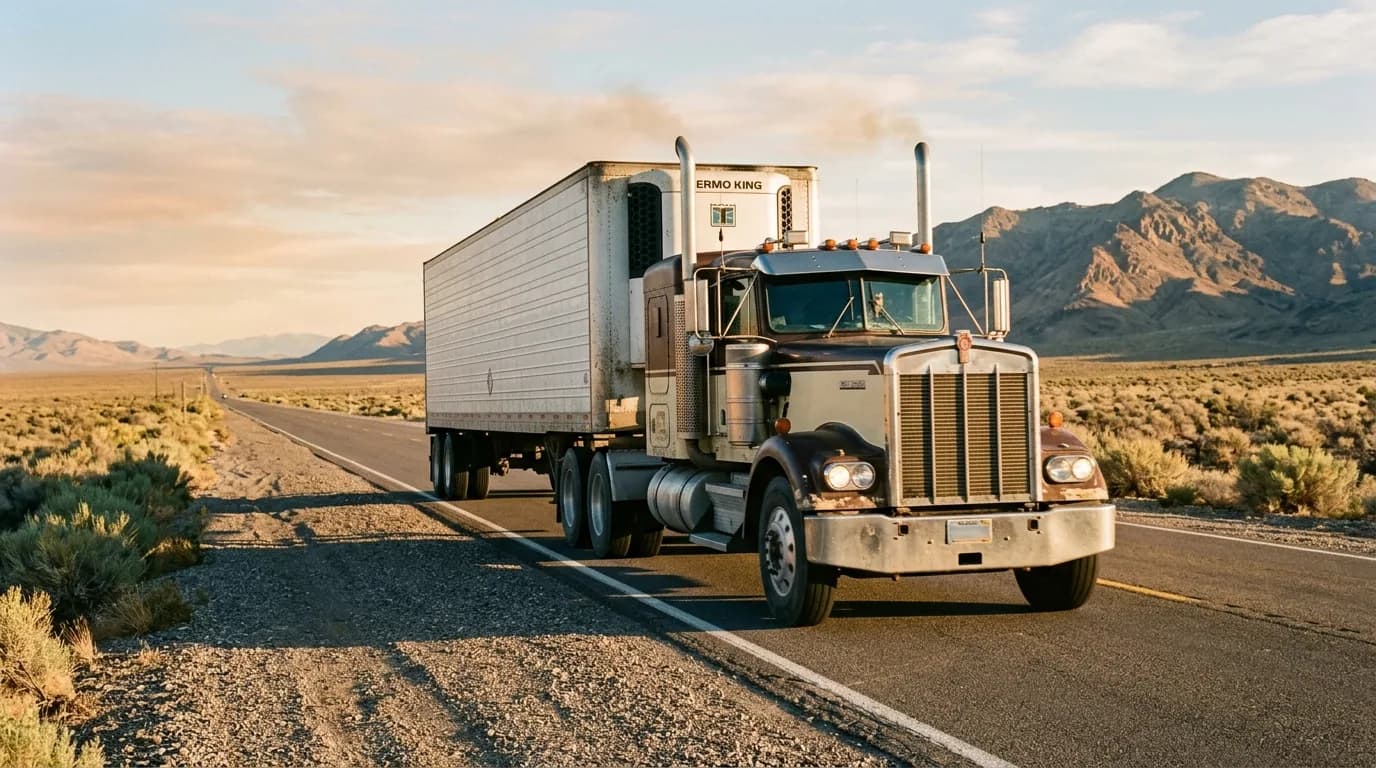
Say "movie semi" and most people picture the black-and-gold W900A that Snowman drove in Smokey and the Bandit. The AI render above is a more everyday one: a well-used W900A running a reefer load across an empty desert highway, a fair likeness of the silhouette that's been rolling across North America since the early 1960s, with its long, narrow hood and tall chrome grille.
From the 900-Series to the W900A
Kenworth's 900-series conventional traces back to 1959, but the truck didn't take the W900 name until 1963, when the company renamed it to honor co-founder Edgar Worthington. Two years later, in 1965, the W900A arrived with a longer, wider hood and a bigger radiator, room for the larger diesel engines owner-operators were starting to demand. That single change, building the nose around the engine instead of squeezing the engine into the nose, is what gave the W900A its stance, and it's the shape most people still picture when they hear "classic Kenworth."
In 1976, Kenworth gave the W900A, and its cabover sibling the K100, something new: the Aerodyne sleeper, the first factory-built sleeper cab with a raised roof and standing headroom. Owner-operators who'd spent years folding themselves into a low bunk behind the seat suddenly had a sleeper they could stand up and change clothes in, and the option sold well enough that Kenworth kept building it long after 1976. Then, in 1982, the W900A gave way to the W900B, distinguished by rectangular headlights and a hoodline raised to fit a larger radiator and updated cooling requirements. A longer-hood W900L variant followed in 1990, adding another 10 inches to the hood, and it went on to become Kenworth's flagship owner-operator truck.
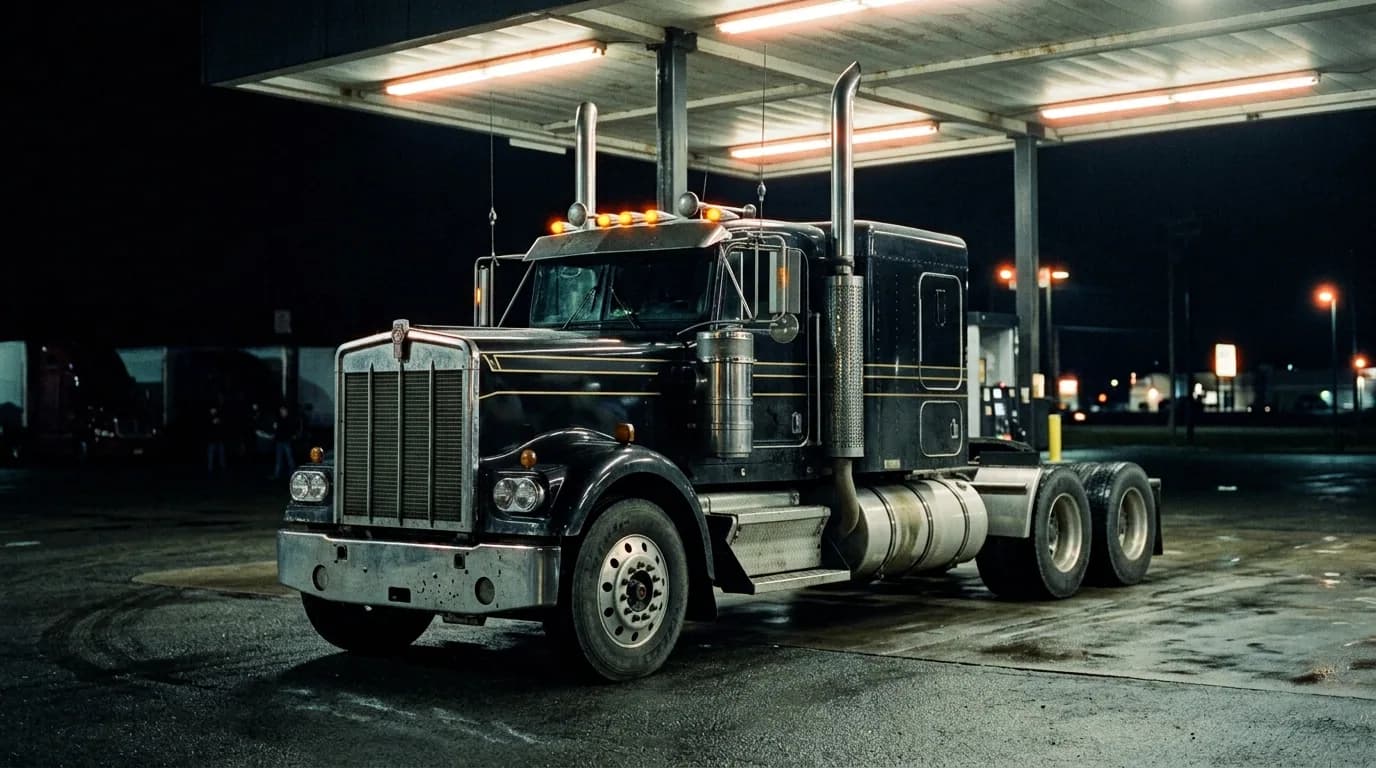
Engines Built to Be Rebuilt on the Shoulder
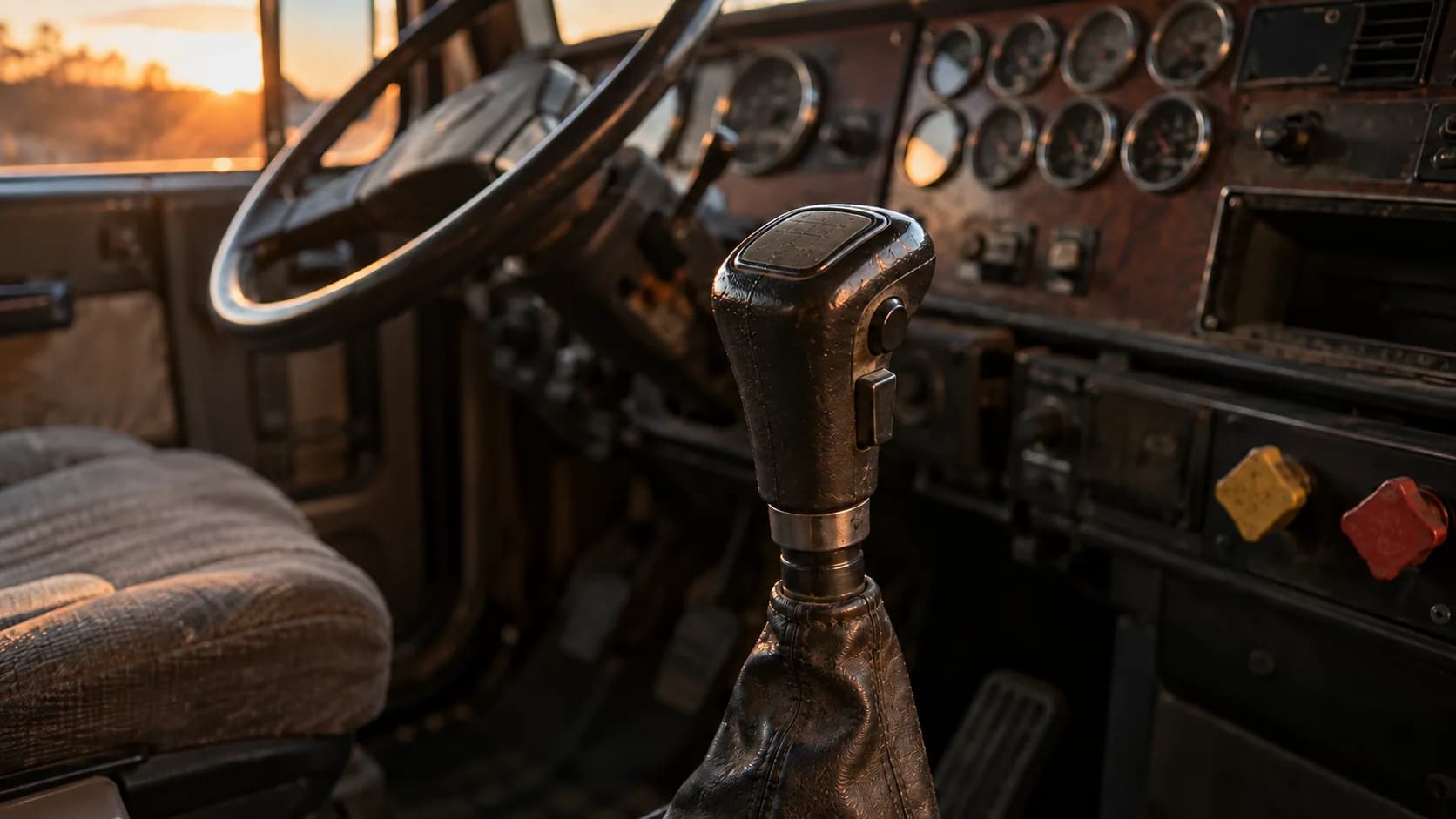
Caterpillar's 3406 was the engine most associated with the W900A's heyday, with the bigger 3408 available for higher-output trucks. Cummins offered its N-series and, later, Big Cam engines, while Detroit Diesel's 71-series and 92-series two-strokes gave the W900A its own distinct exhaust note for owner-operators who preferred a Detroit under the hood. None of these were Kenworth's own engines; buyers picked whichever of the three majors they trusted, which is a big reason parts and rebuild knowledge for these motors are still so easy to find decades later. All of it ran through Spicer or Eaton-Fuller Roadranger manual transmissions, built to survive being rebuilt in a truck stop parking lot, because for a lot of owner-operators, eventually it came to that.
Round Headlights, Narrow Hood: Spotting a W900A
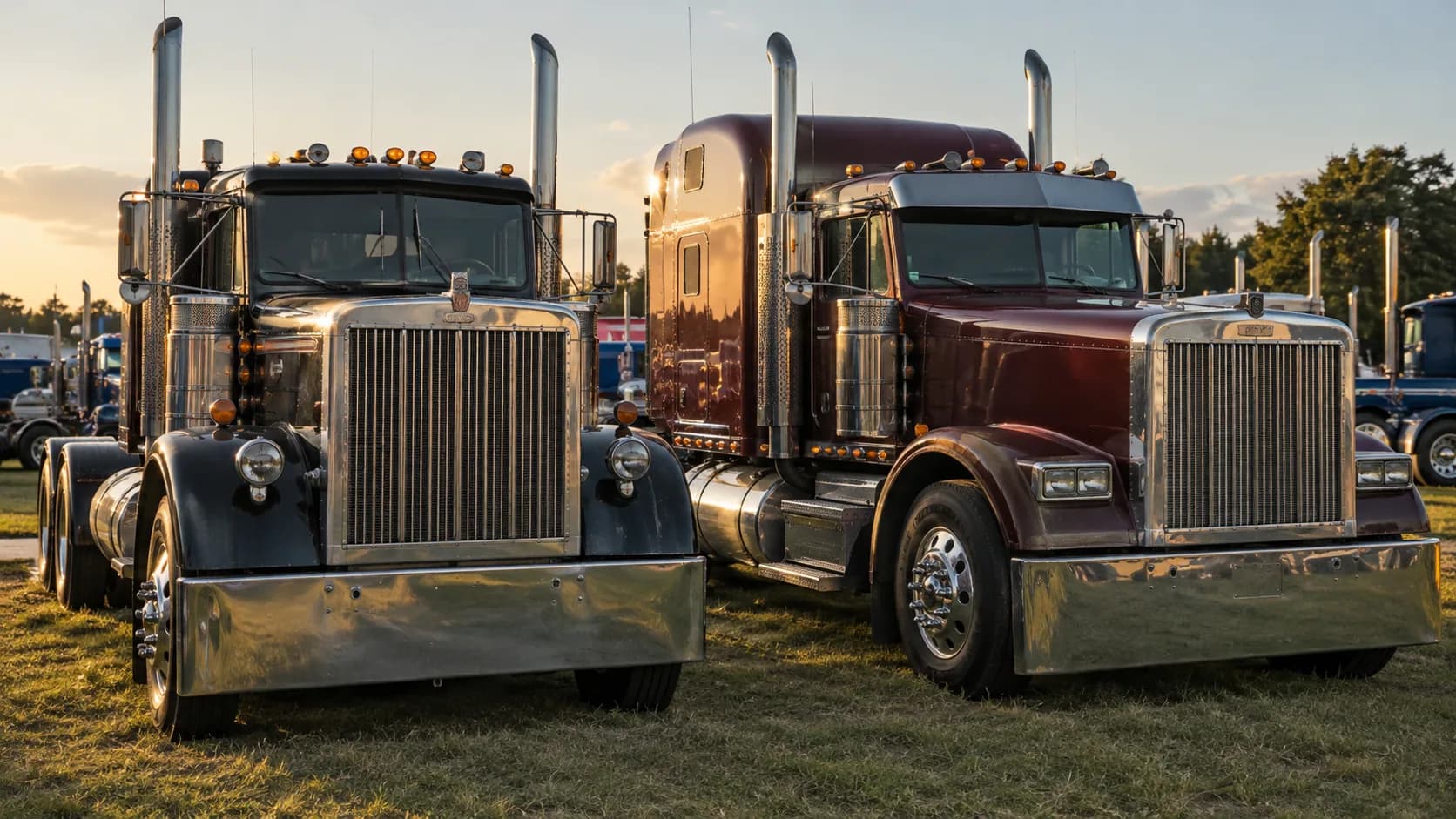
The fastest way to tell a W900A from the W900B that replaced it is the headlights: dual round lamps on the A, rectangular units on the B. The A's hood also sits lower, since the B's 1982 redesign raised the hoodline and added a larger radiator to meet updated cooling requirements, on top of the wide hood the A itself picked up in 1965 for the bigger diesel engines of that era. Add chrome twin stacks, a tall vertical grille, and the two-piece flat windshield that carried through Kenworth's conventional line for decades, and the silhouette is unmistakable once you know what to look for.
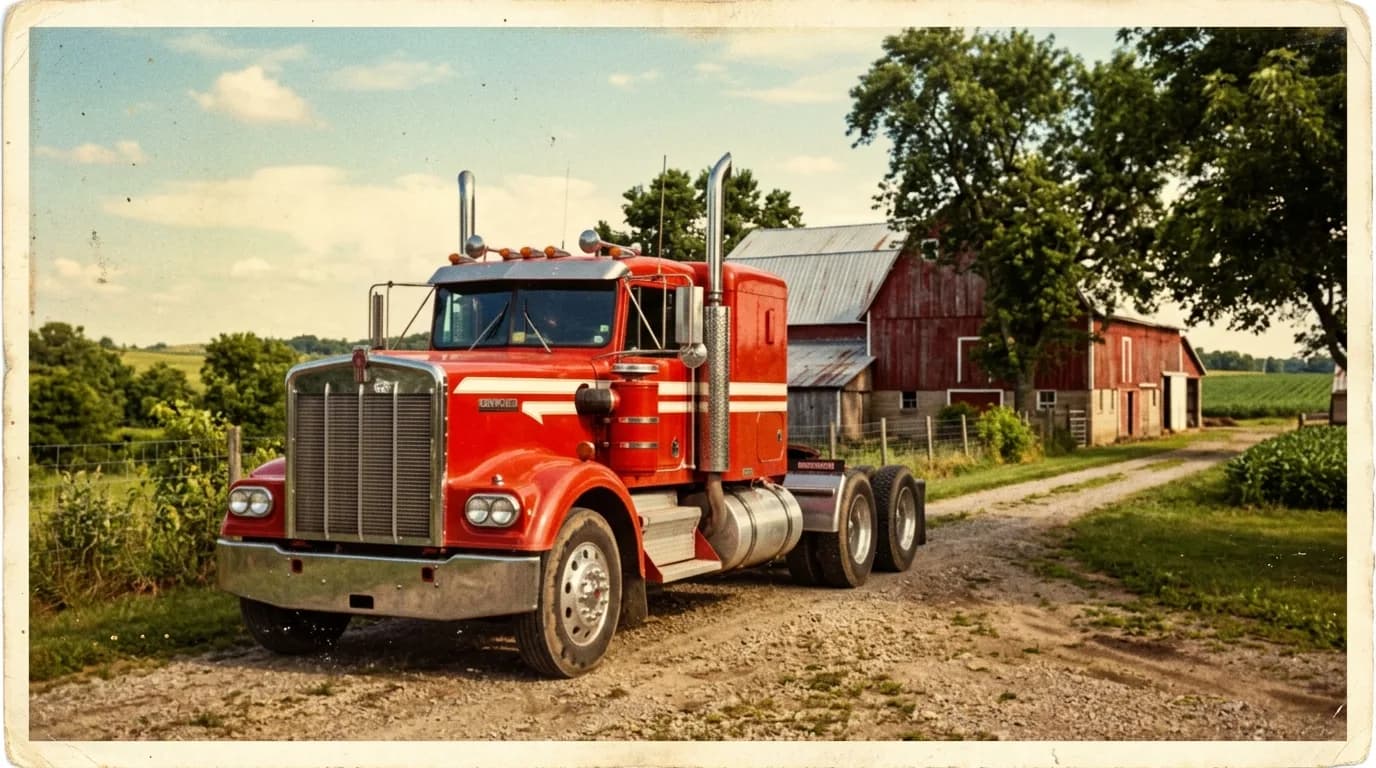
The Truck Snowman Drove
The W900A's biggest pop-culture moment came in the 1977 film Smokey and the Bandit, where Jerry Reed's character, the Snowman, hauled illegal Coors beer across state lines in a black W900A finished with gold pinstriping and a hand-painted mural on the trailer. Production used three trucks while filming: a 1973 model trimmed with gold badging to mark Kenworth's 50th anniversary, and two matching 1974s. More than four decades later, the black-and-gold W900A is still the truck most people picture when someone says "movie semi," and it's a big part of why the model keeps turning up in diecast lines and truck-show tributes long after the movie itself left theaters.
The End of a Long Run
The W900 line has stayed in production longer than almost any other truck in North America, but that run is ending. In 2025, Kenworth announced it would sunset the W900, along with the T800W and C500, in 2026, citing new emissions regulations and shrinking component supply as the industry moves toward 2027 standards. That makes any W900A on the road today, whether it's a daily driver or a truck-show restoration, part of a lineage about to close out for good. Clean examples still turn up at swap meets and classic-truck dealers, most running a Cat 3406 or a Detroit under the hood, kept alive by an aftermarket that's had over sixty years to build parts support around this exact shape. Buyers looking for one tend to start at truck shows and dedicated vintage-rig classifieds rather than general equipment sites, since a well-kept W900A rarely sits on a lot for long before someone hauls it home.
Specs
- Predecessor
- Kenworth 900-series conventional, dating to 1959
- W900 name introduced
- 1963 (honoring co-founder Edgar Worthington)
- W900A (wide hood)
- 1965–1982
- Aerodyne raised-roof sleeper
- 1976 (shared with the K100)
- W900B (rectangular headlights)
- 1982–present
- Common engines
- Caterpillar 3406, 3408; Cummins N-series, Big Cam; Detroit Diesel 71- and 92-series
- Common transmissions
- Spicer; Eaton-Fuller Roadranger multi-speed manuals
- Production ends
- 2026, after 63 years, per Kenworth's 2025 sunset announcement
Get the Look
As an Amazon Associate we earn from qualifying purchases.
The long-nose silhouette for a shelf, in pocket-size or display scale.
Check price at AmazonBackground reading on the era that built trucks like the W900.
Check price at AmazonThe classic cab accessory no big rig look is complete without.
Check price at AmazonFor keeping stacks and grille chrome show-lot bright.
Check price at AmazonGarage or man-cave decor for a classic-Kenworth fan.
Check price at AmazonFAQ
- What years was the Kenworth W900 made?
- The truck's lineage runs from Kenworth's 900-series conventional in 1959, taking the W900 name in 1963, through to Kenworth's announced end of production in 2026.
- What's the difference between a W900A and a W900B?
- The W900A (1965–1982) has dual round headlights and a lower hood. The W900B (1982–present) has rectangular headlights and a raised hoodline with a larger radiator for updated cooling requirements.
- What truck did Snowman drive in Smokey and the Bandit?
- A black Kenworth W900A with gold pinstriping. Production used three trucks: a 1973 model with gold 50th-anniversary badging and two 1974 models.
- Is the Kenworth W900 still in production?
- Not for much longer. Kenworth announced in 2025 that the W900 line will end production in 2026 after 63 years, citing new emissions rules and shrinking component supply.