Peterbilt 379 (1987-2007): Years, Engines, Horsepower and Specs
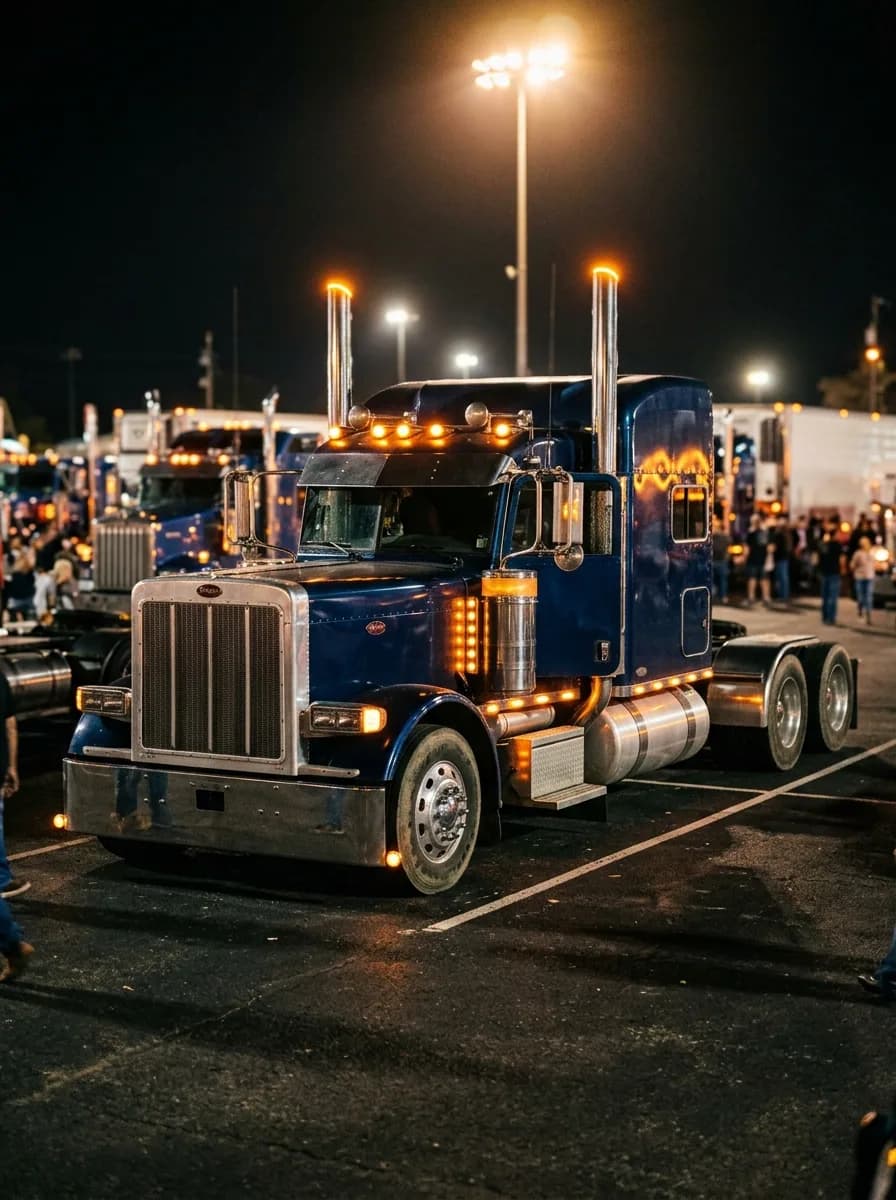
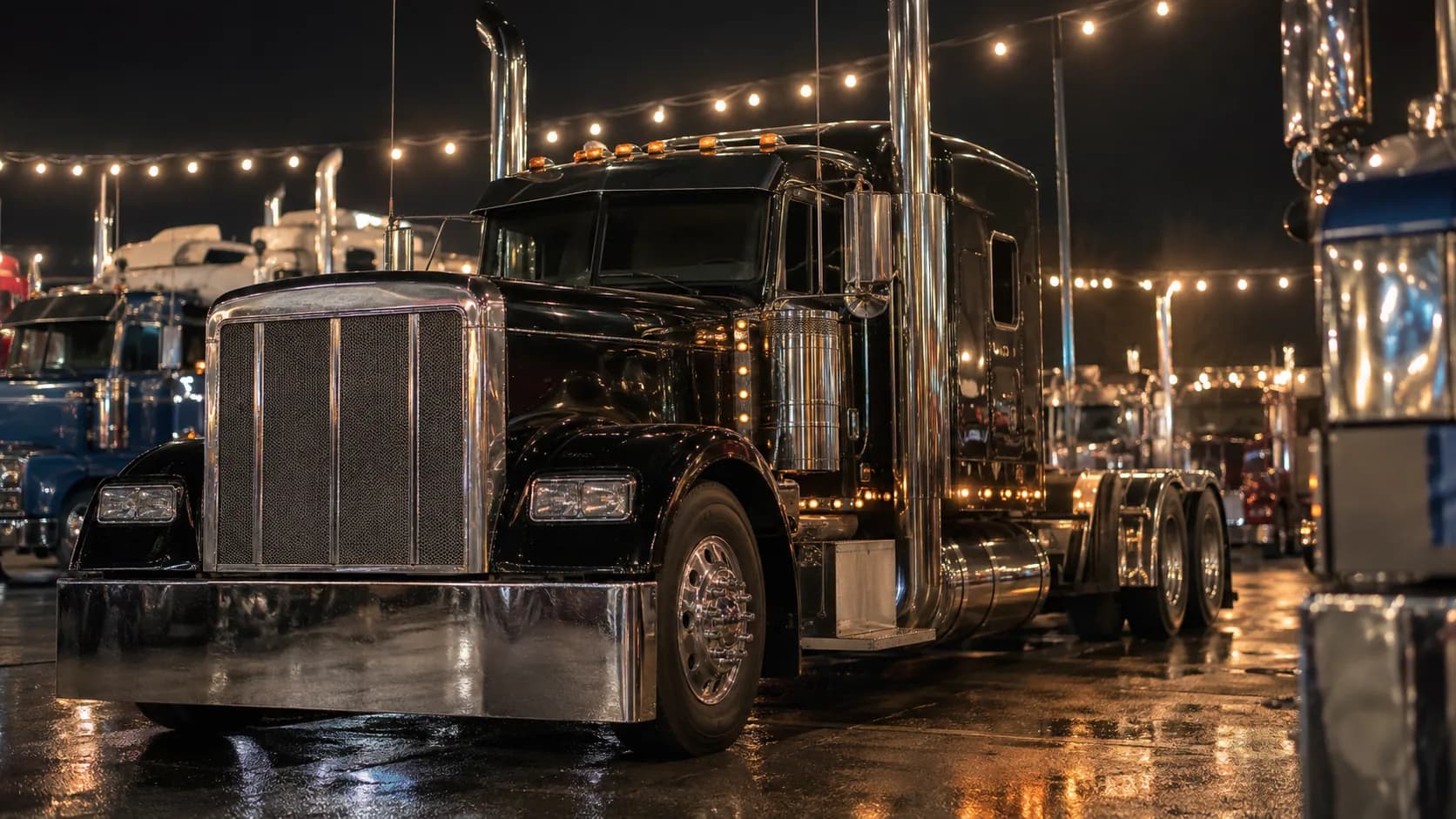
Under the sodium lights of a truck show, a lineup of polished long-hoods waits for the judges, and the truck out front doing most of the reflecting is almost always a 379. The scene above imagines one more entry in that lineup, chrome catching every bulb on the light bar, parked shoulder to shoulder with the rest of the show trucks. It's the kind of moment the 379 was built for.
Replacing a Legend Without Losing the Formula
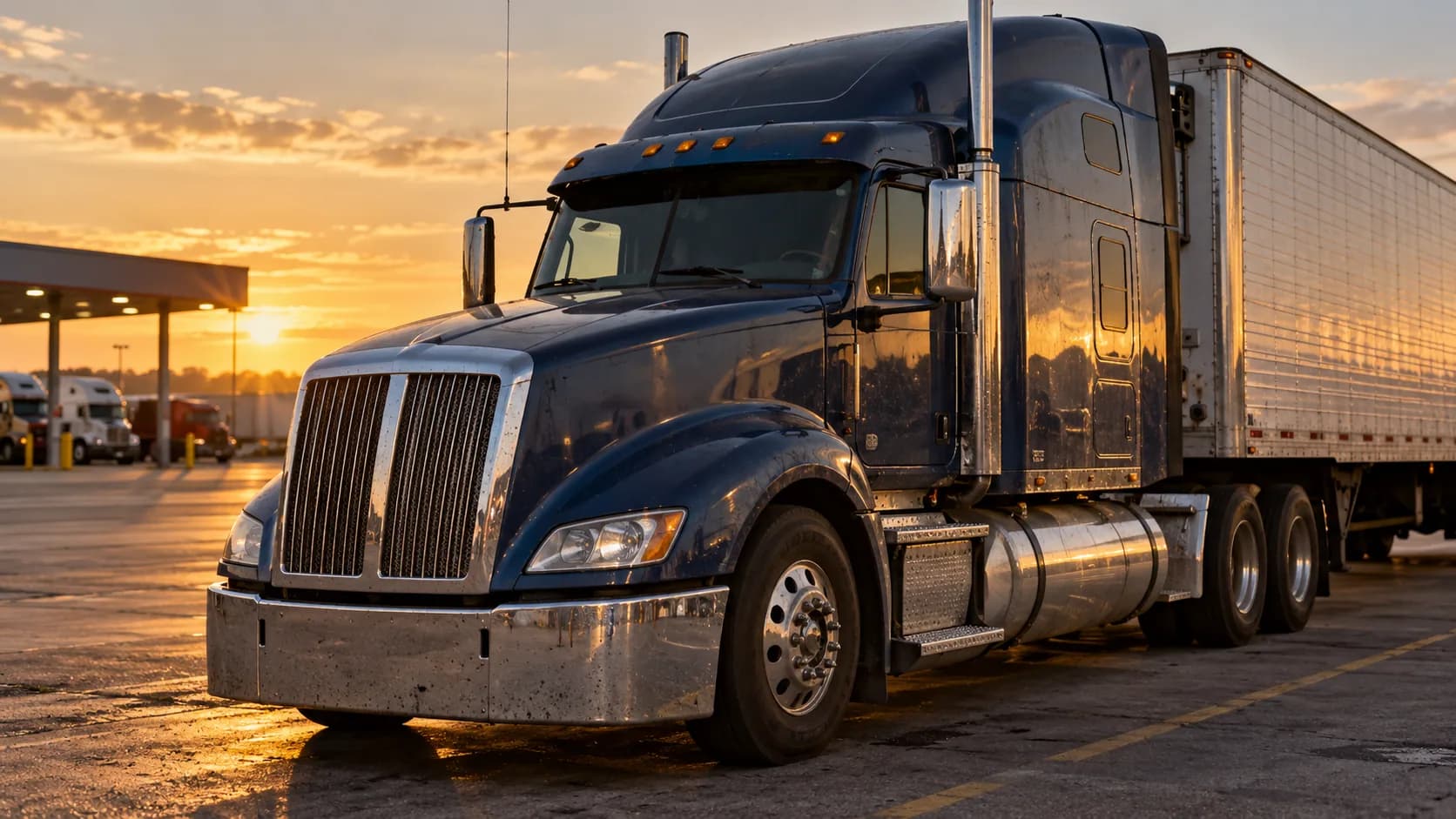
When the 379 replaced the 359, it didn't reinvent the conventional long-hood formula, it refined it. The 379 kept the same basic idea of a big aluminum hood over a big engine, sold in two lengths: a 119-inch BBC (bumper to back of cab) and a stretched 127-inch BBC, the longest nose Peterbilt offered on a highway truck at the time. Buyers could spec it as a day cab or with one of Peterbilt's Unibilt integrated sleeper cabs; Overdrive's 2008 look at the truck listed Unibilt sleepers in low-roof, high-roof and UltraCab versions. For about twenty years, ending in 2007, it was the flagship of the Peterbilt lineup, and it became the truck most owner-operators pictured when they imagined buying their own rig. Peterbilt's own 2007 release on the last truck counts more than 230,000 Model 379s built since 1986, while most reference works date the model to 1987, so the start year depends on who is counting.
What Actually Changed From the 359
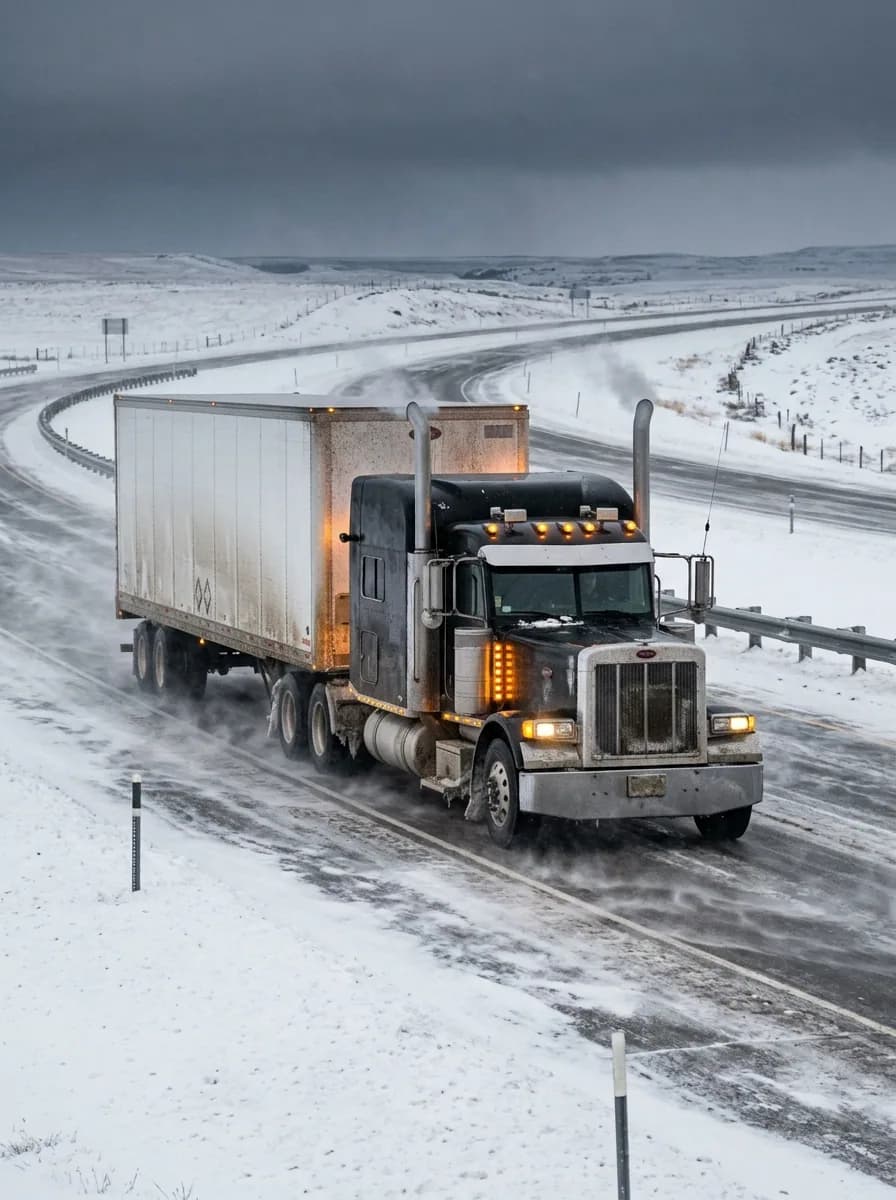
The two trucks share an obvious family resemblance, but they're easy to tell apart once you know what to look for. The 379 made rectangular headlamps standard, where the 359 is best known for round ones, and moved the turn signals up into the headlamp housing instead of leaving them on the fender. Peterbilt also enlarged the windshield, which allowed horizontally mounted wipers.
Engines Built for the Long Haul
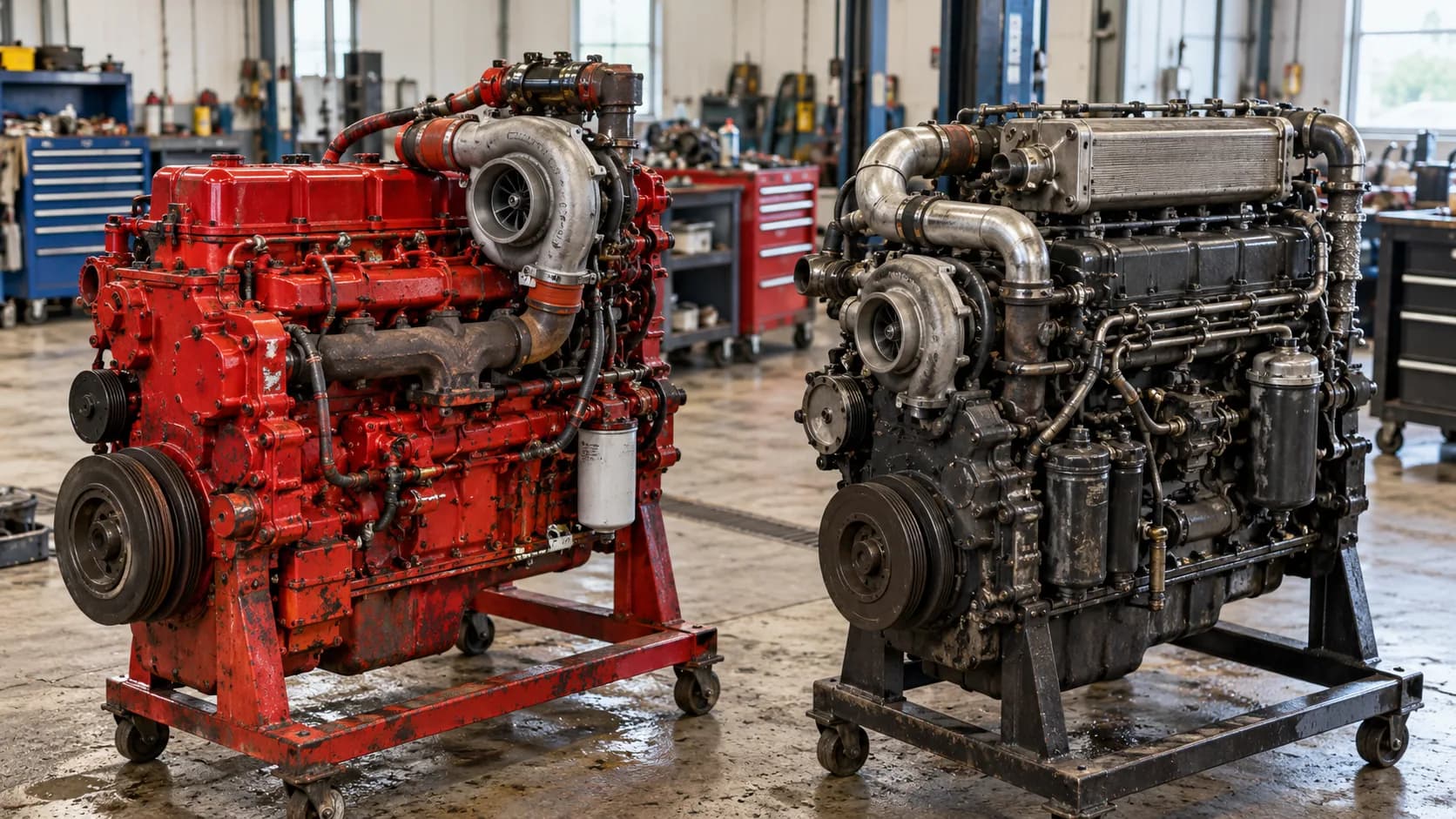
Over its two-decade run, the 379 was offered with a rotating cast of the era's biggest diesels. The list included Caterpillar's 3406 and later C-series engines such as the C11, C15 and C16, Cummins' N14, ISX and flagship Signature 600, and Detroit Diesel's Series 60. According to Trucking Info, Peterbilt began taking orders for the Cat C15 with ACERT technology in the 379 in August 2003, rated from 435 to 550 horsepower, and in September 2004 it began building 379-127 and 379X trucks with 600- and 625-horsepower versions. Power like that is a big part of why the model kept its reputation as a driver's truck: enough engine to actually enjoy the hood.
The Last of the Long Hoods
By the time the 379 ended production in 2007, it still wore Peterbilt's aluminum hood, a detail that mattered to the drivers who spent twenty years defending the model against anything with a plastic or fiberglass front end. Peterbilt marked the occasion by badging the final 1,000 trucks off the line as the Legacy Class 379, each with a custom dash plate carrying its production number, and announced the 1,000th and final one on April 5, 2007, a send-off that gave the last units built-in collector appeal. The 389 carried the long-hood banner from there, recognizable by its oval headlamp clusters and an even longer hood, but plenty of drivers will tell you the 379 was the last "real" one.
Owning One Today
Because it was in production for two decades and sold in huge numbers, the 379 is one of the easier classic Peterbilts to actually find and drive today. Parts are common, mechanics who know the drivetrains are common, and the used market ranges from tired day cabs bought to work, to show-quality customs with a small fortune in chrome and paint behind them. Sleeper-equipped highway trucks with the extended 127-inch hood tend to draw the most attention from buyers chasing the classic long-hood look, while shorter 119-inch day cabs are usually the more affordable, work-ready end of the market.
It remains one of the most customized Peterbilt models on the truck-show circuit, which says as much about its legacy as any spec sheet does. Between the two BBC lengths, the range of factory sleeper options, and two decades of engine choices, there's enough variation in surviving 379s that no two show-lot lineups ever look quite the same, even though every truck in them is unmistakably still a 379.
Specs
- Production
- 1987-2007 (Peterbilt's own 2007 release counts from 1986)
- Predecessor
- Peterbilt 359
- Successor
- Peterbilt 389
- BBC lengths
- 119 in. standard; 127 in. extended hood
- Common engines
- Caterpillar 3406, C11/C15/C16; Cummins N14, ISX, Signature 600; Detroit Diesel Series 60
- Headlights
- Rectangular, headlamp-mounted turn signals
- Final edition
- Legacy Class 379 (last 1,000 units)
FAQ
- What years was the Peterbilt 379 made?
- It was built for about two decades, ending in 2007 when the Peterbilt 389 replaced it. Most references list 1987 as the first year, though Peterbilt's own 2007 release counts production from 1986.
- How much horsepower does a Peterbilt 379 have?
- It depends on the engine, since the 379 was built with Caterpillar, Cummins and Detroit Diesel power over two decades. Late trucks with the Cat C15 ACERT were rated from 435 to 550 hp, and from September 2004 Peterbilt built 379-127 and 379X trucks with 600 and 625 hp versions.
- What's the difference between a Peterbilt 359 and a 379?
- The 379 has rectangular headlights with turn signals built into the housing and a larger windshield with horizontally mounted wipers, while the 359 is best known for round headlights and fender-mounted turn signals.
- What engines came in the Peterbilt 379?
- Engines included Caterpillar's 3406 and C-series (C11, C15 and C16), Cummins' N14, ISX and Signature 600, and the Detroit Diesel Series 60. Peterbilt began taking orders for the Cat C15 in the 379 in August 2003.
- What replaced the Peterbilt 379?
- The Peterbilt 389 took over in 2007, identifiable by its oval headlamp clusters and an even longer hood.
Know someone who drove one? Share this guide
Get the Look
As an Amazon Associate we earn from qualifying purchases.
- Peterbilt 379 1:32 or 1:24 scale die-cast model — The most customized Peterbilt on the show circuit, shrunk down for a shelf.
- American big rig trucking history book — Good background reading on the era the 379 ruled.
- Licensed Peterbilt cap or hoodie — For wearing the badge, not just parking under it.
Sources
- en.wikipedia.org — Peterbilt_379
- ccjdigital.com — peterbilts-last-model-379-marks-end-of-20-year-run
- fleetowner.com — peterbilt-delivers-its-last-model-379
- truckinginfo.com — cat-c15-engine-available-on-peterbilt-379-379x
- legacysleepers.com — peterbilt
- truckinginfo.com — peterbilt-buyers-can-now-order-caterpillar-acert-engines
- fleetowner.com — peterbilt-retiring-model-379
- truckinginfo.com — pete-delivers-last-model-379-two-decade-run-comes-to-an-end
- trucknews.com — peterbilt-retires-model-379
- overdriveonline.com — peterbilt-379-contemporary-classic
- en.wikipedia.org — List_of_Peterbilt_vehicles
- peterbilt.com — 389