Peterbilt 379 vs Kenworth W900: Differences and Which to Buy
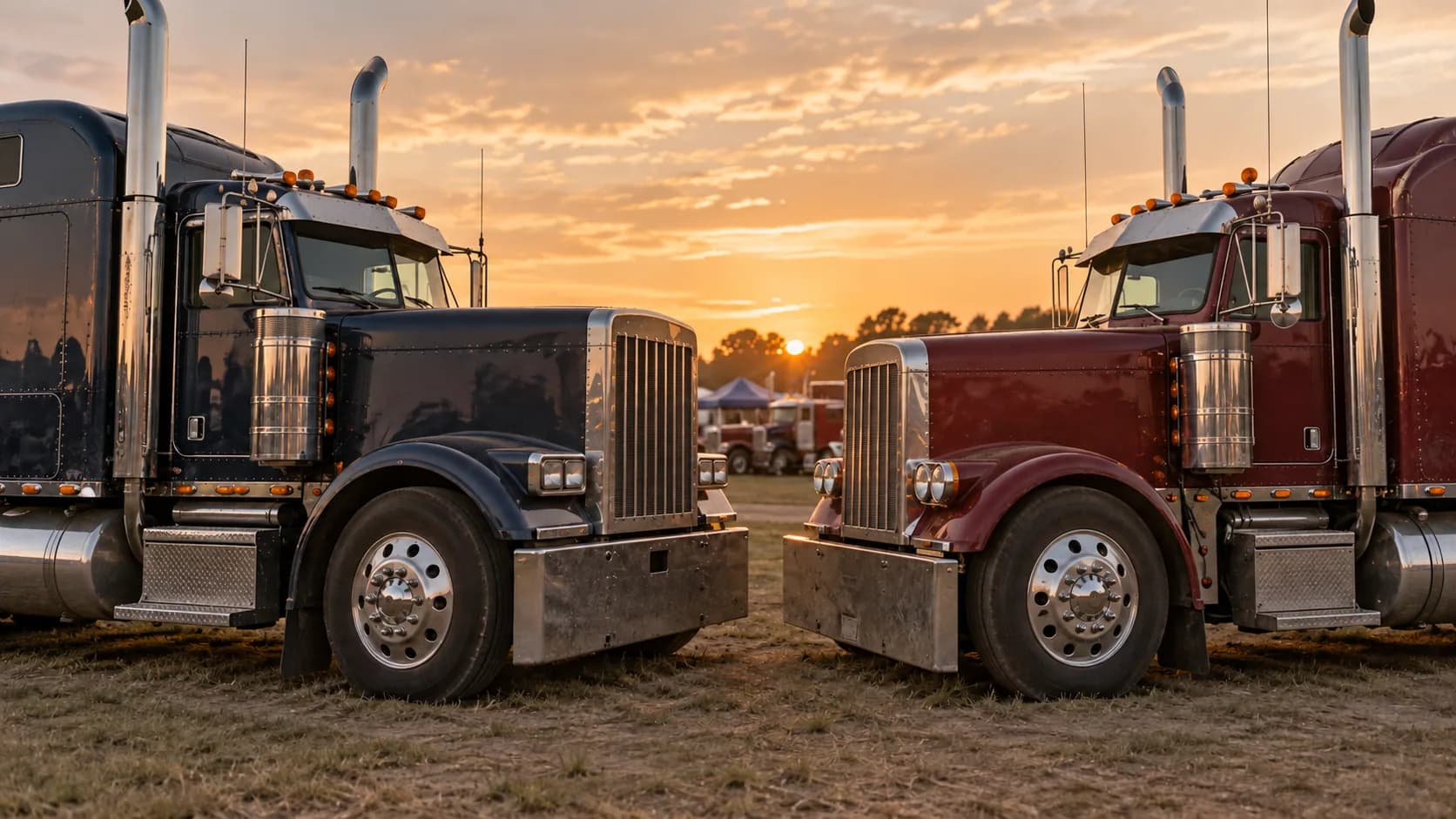
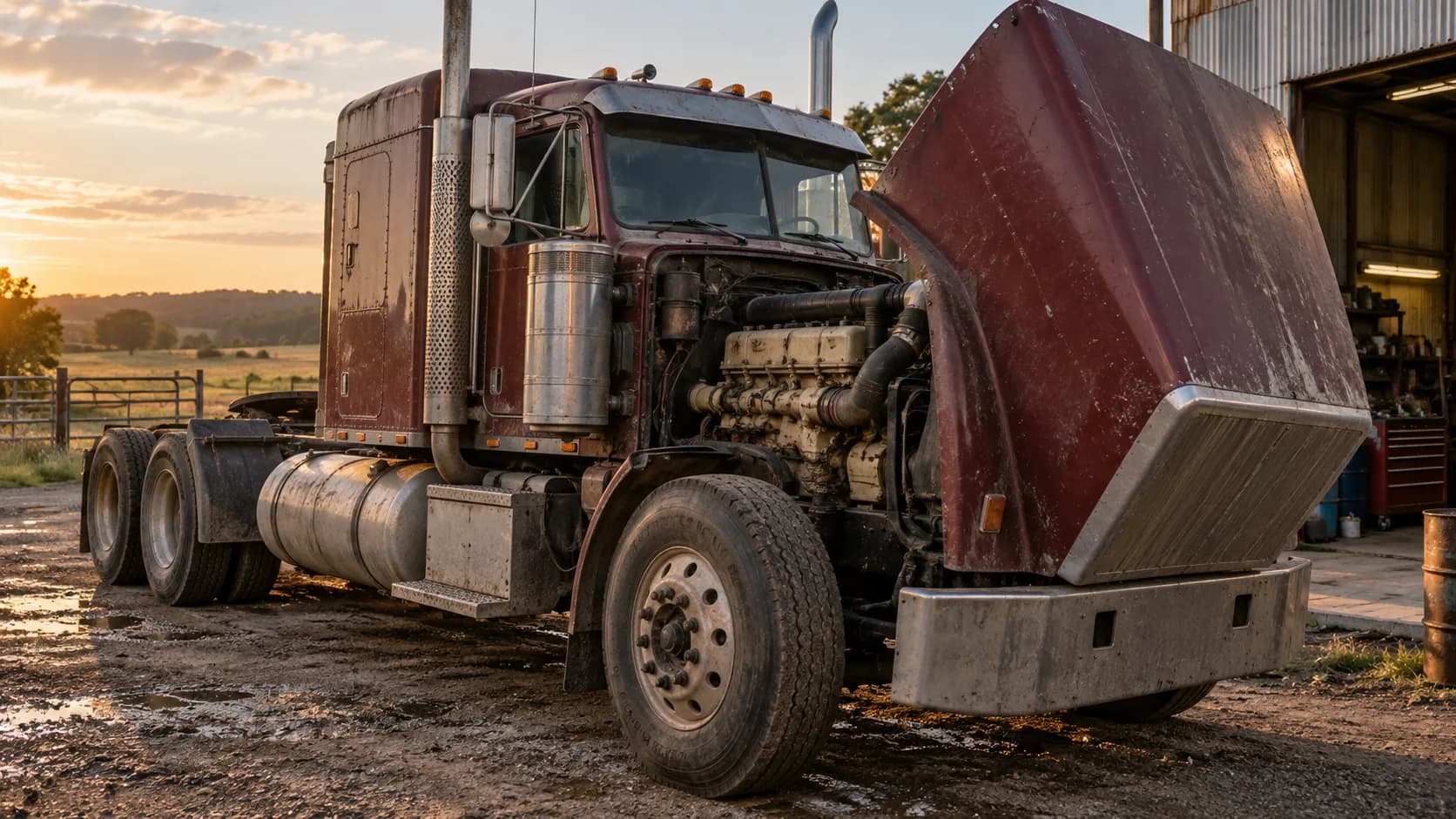
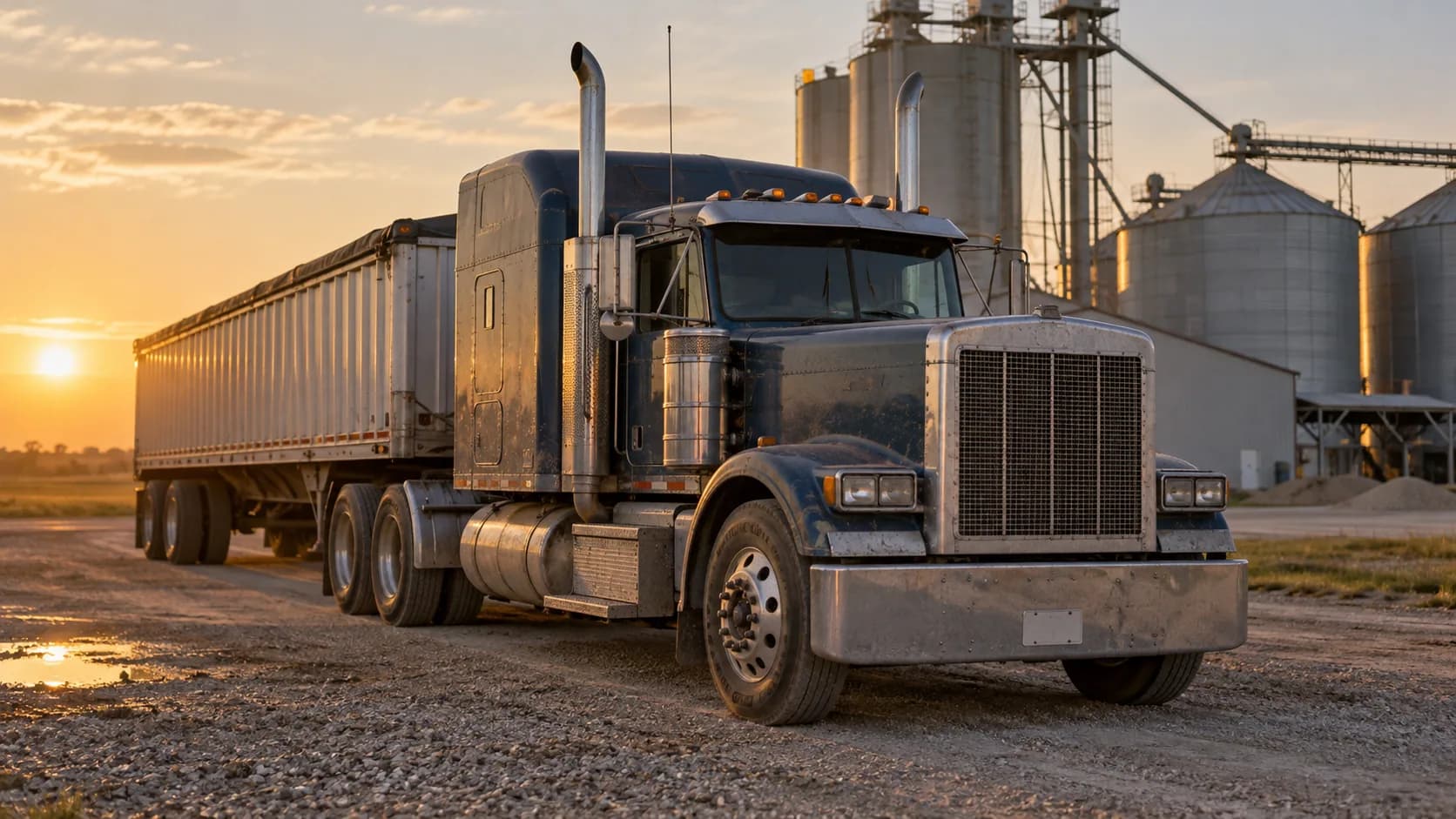
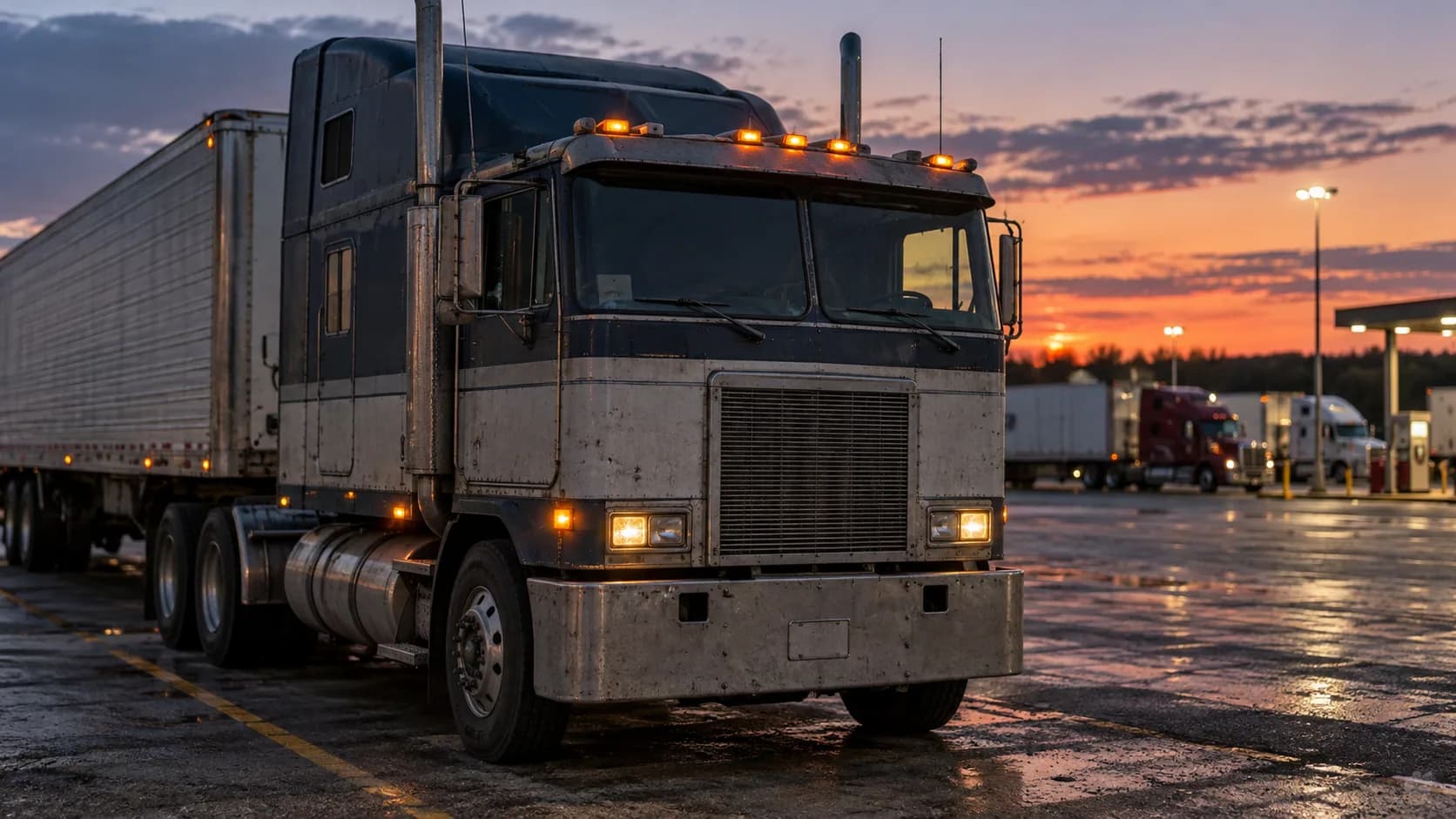
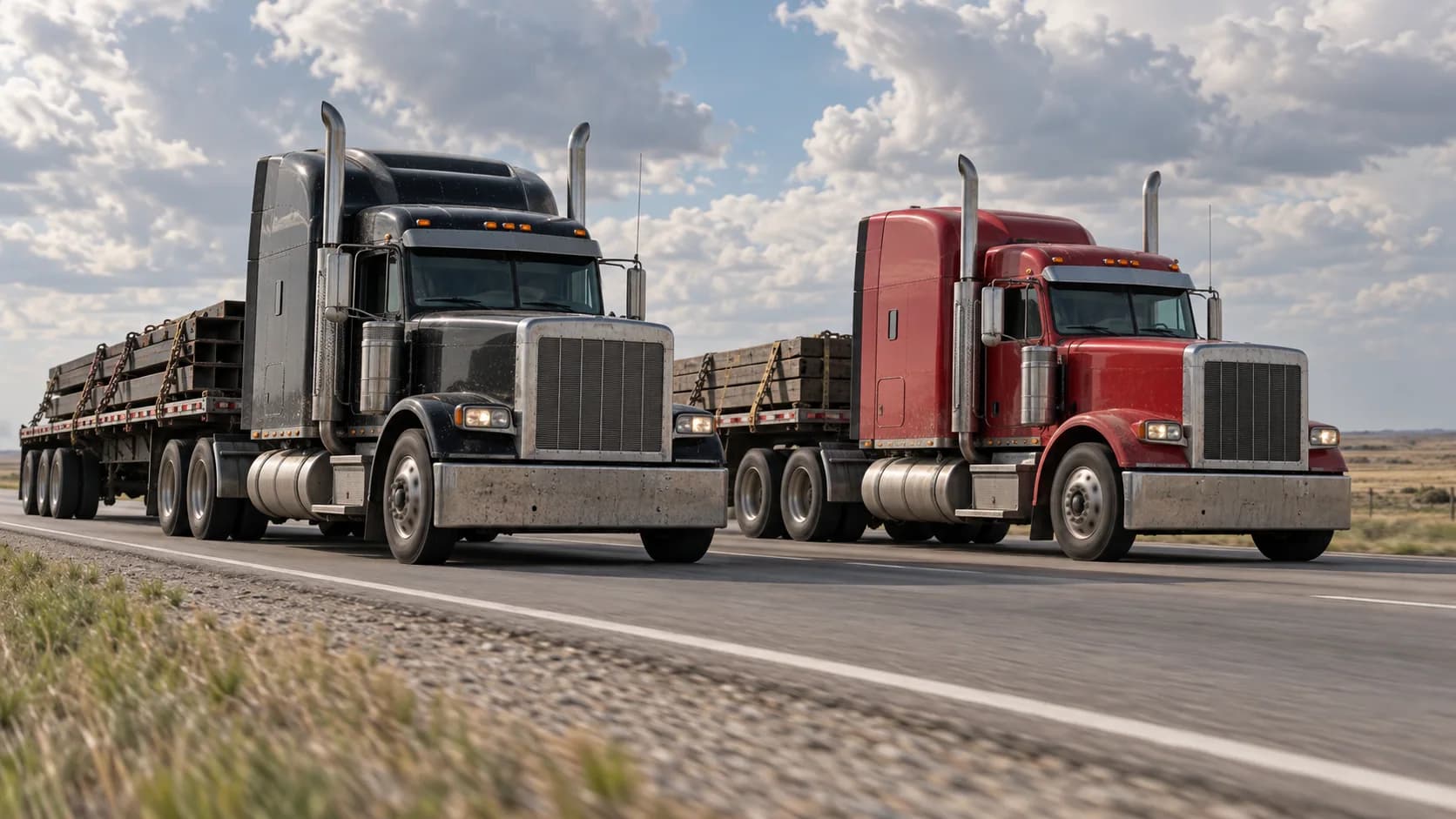
Ask a room full of owner-operators whether the Peterbilt 379 or the Kenworth W900 is the better long-hood, and nobody leaves early. The AI-generated renders above imagine the argument as two long-nosed tractors parked grille to grille at a sunset truck show and two more running side by side with flatbed loads; they are not photos of real trucks, and their grilles and badges are not a reliable portrait of either model. The rivalry itself is real, and it is stranger than it looks, because both trucks come from the same parent company.
Same Parent, Different Houses
Pacific Car and Foundry, the company now called PACCAR, bought Kenworth in 1945 as its first big step into heavy trucks, then bought Peterbilt in June 1958. The two brands have been sister companies ever since, but they were never merged into one truck. Peterbilt built the 379 in Denton, Texas, while Wikipedia lists the W900's assembly in Renton, Washington, and Chillicothe, Ohio.
The timelines line up only partly. The W900 name goes back to the early 1960s, and the version most people mean in this debate is the W900B, introduced in 1982 with rectangular headlamps, and the W900L, which arrived in 1990 with about 10 more inches of hood. The Peterbilt 379 came along for 1987 and was retired in 2007, replaced by the 389. Wikipedia's W900 article names the 379 as the W900L's direct competitor. The Kenworth simply kept going: the company announced in March 2025 that W900 production would end in 2026.
Cab and Hood: Aluminum vs Fiberglass
Peterbilt's cab story starts in 1945, when, according to the company's history as summarized by Wikipedia, it introduced lighter aluminum-built cabs to raise payloads. The 379 carried that habit forward with an aluminum hood shell, still sold as a replacement part for both the 119-inch and 127-inch versions. Ask a 379 owner what makes the truck special and the aluminum hood usually comes up.
Kenworth went its own way up front. The W900 uses a forward-tilting hood, and Smart-trucking.com, an enthusiast site, describes the W900B hood as fiberglass and heavy to tilt. Truck News says the W900B brought aluminum construction, refined aerodynamics and an upgraded suspension to make the truck lighter and more fuel-efficient. Hood length differs too: Wikipedia lists the 379 at 119 inches or, extended, 127 inches bumper to back of cab, while a Kenworth dealer gives the W900L's BBC as 130 inches.
How to Tell Them Apart
Start with the badge, because the shapes are close. Peterbilt has used its red oval emblem since 1953, and a bird-style hood ornament has ridden on its conventionals since 1965. Kenworth's emblem is the "bug," the stylized KW whose letters come from Harry Kent and Edgar Worthington, the two men whose names formed the company name in 1923.
Next, the headlamps. The 379 made rectangular lamps standard and moved the turn signals up into the headlamp housing. The W900B also wears rectangular lamps, so lamp shape alone will not settle it; look at the badge, the grille surround and the hood's proportions instead. On a W900L, the extra length shows in how far the nose runs ahead of the cab. Remember that both trucks are favorites for customizing, so a show truck may wear aftermarket hoods, lamps and visors that blur the factory differences.
Engines and the Ride
Under the hood, the two shared the same supplier list for years. Wikipedia lists the 379 with Caterpillar's 3406 family through the C15 and C16, Cummins' NTC, N14, ISM, ISX and Signature 600, and the Detroit Diesel Series 60. The W900 menu, by the same source, runs from Caterpillar's 3406, 3408, C11, C13, C15 and C16 to Cummins' N, K, M and ISX series, Detroit's 71, 92 and 60 series, and later PACCAR's own MX engines. The difference is time. The 379 retired before PACCAR's MX engines reached it, while the W900 lived on, and a Kenworth dealer lists today's W900L with the PACCAR MX-13 or Cummins X15 at up to 605 horsepower.
Ride and interior are where the forum wars live, with drivers arguing over legroom, dash layout and cab noise. Ritchie Bros.' comparison describes Kenworth cabs as quiet and practical and Peterbilt as known for premium interiors and fit and finish. Treat all of that as opinion, not test data.
Resale and Collector Value
Peterbilt's long-hoods have a reputation for holding value. Ritchie Bros. says Peterbilt carries a resale premium in many markets and that the 389's strength mirrors that of the 379, while adding that the W900 also performs well, especially with low mileage and desirable specs. No major collector price guide tracks either truck, so asking prices are just that.
Numbers point to the special editions. FleetOwner reported that Peterbilt built more than 230,000 Model 379s starting in 1986, and the final 1,000 were badged Legacy Class 379s with numbered dash plates. Kenworth says more than 280,000 W900s have hit the road and is closing the run with the W900 Legacy Edition, 1,000 serialized trucks. For a buyer, that leaves a simple split: a 379 is a finished chapter with an aluminum hood and a big supply of used trucks, and a W900L can still be found nearly new, at least until the last 2026 builds are gone.
Specs
- Parent company
- PACCAR (Kenworth since 1945, Peterbilt since 1958)
- Peterbilt 379 production
- 1987-2007, Denton, Texas
- Kenworth W900B / W900L
- W900B from 1982; W900L from 1990; production scheduled to end in 2026
- Hood
- 379: aluminum; W900B: fiberglass tilt hood (per enthusiast sources)
- BBC length
- 379: 119 or 127 in.; W900L: 130 in.
- Badge
- Peterbilt red oval; Kenworth "bug"
- Units built
- 379: 230,000+ (reported); W900: 280,000+
- Final editions
- Legacy Class 379 (last 1,000); W900 Legacy Edition (1,000)
FAQ
- Are Peterbilt and Kenworth the same company?
- Both are owned by PACCAR, which bought Kenworth in 1945 and Peterbilt in 1958. They are run and sold as separate brands with their own trucks and dealers.
- What is the difference between a Peterbilt 379 and a Kenworth W900?
- The 379 has an aluminum hood and Peterbilt's red oval badge, and was built from 1987 to 2007. The W900B and W900L use a tilting hood that enthusiast sources describe as fiberglass, wear the Kenworth bug badge, and the W900 is scheduled to end production in 2026.
- Is the W900L longer than a Peterbilt 379?
- Yes, on paper. A Kenworth dealer lists the W900L at 130 inches bumper to back of cab, while the 379 came in 119-inch and 127-inch versions.
- Which holds its value better, a Peterbilt 379 or a Kenworth W900?
- Ritchie Bros. says Peterbilt carries a resale premium in many markets and that the W900 also performs well with low miles and good specs. No major price guide tracks either, so condition and spec matter most.
Know someone who drove one? Share this guide
Get the Look
As an Amazon Associate we earn from qualifying purchases.
- Peterbilt 379 diecast model truck — The aluminum-hood long-hood in scale.
- Kenworth W900 diecast model truck — Park it beside the 379 and settle the argument on your shelf.
- Chrome and aluminum polish for truck trim — For grilles, bumpers and stacks on either brand.
Sources
- en.wikipedia.org — Kenworth_W900
- en.wikipedia.org — Peterbilt_379
- en.wikipedia.org — Peterbilt
- overdriveonline.com — peterbilt-379-contemporary-classic
- smart-trucking.com — kenworth-w900
- trucknews.com — 1003198261
- coopskw.com — w900l
- coopskw.com — kenworth-w900-vs-w990
- blog.ritchiebros.com
- fleetowner.com — peterbilt-delivers-its-last-model-379
- en.wikipedia.org — Kenworth