Ford LTL 9000: History, Engines and How to Identify One
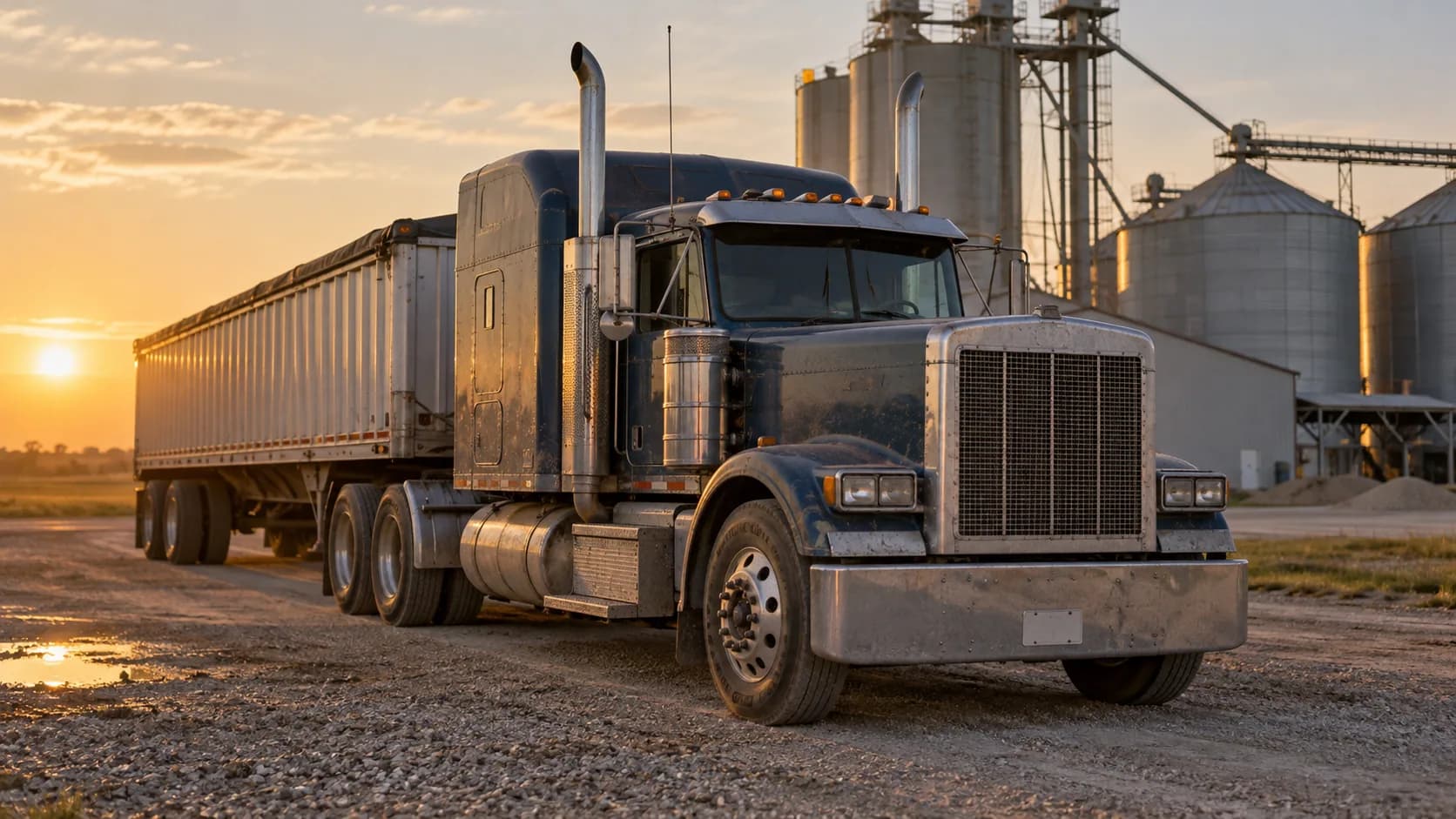
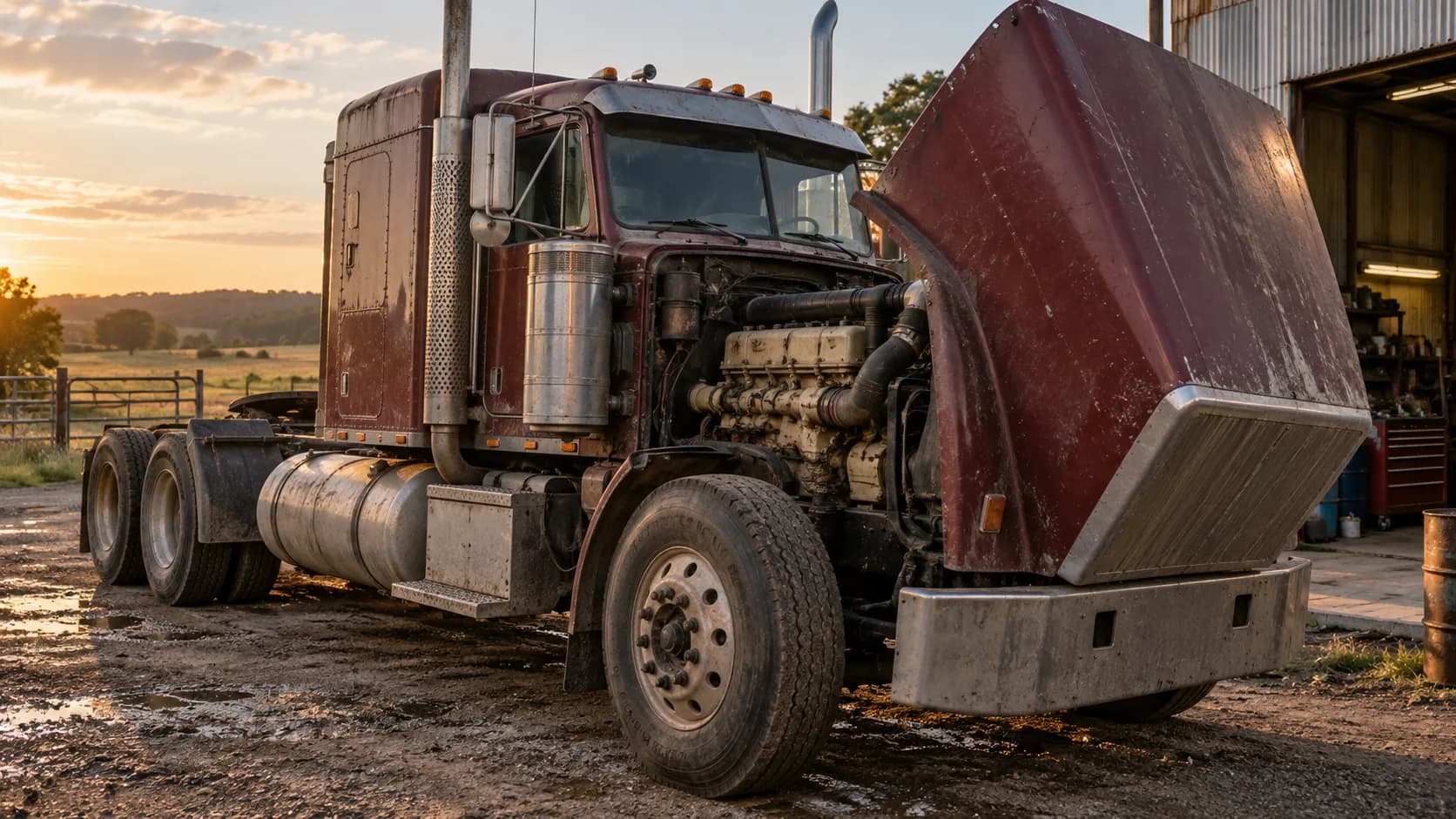
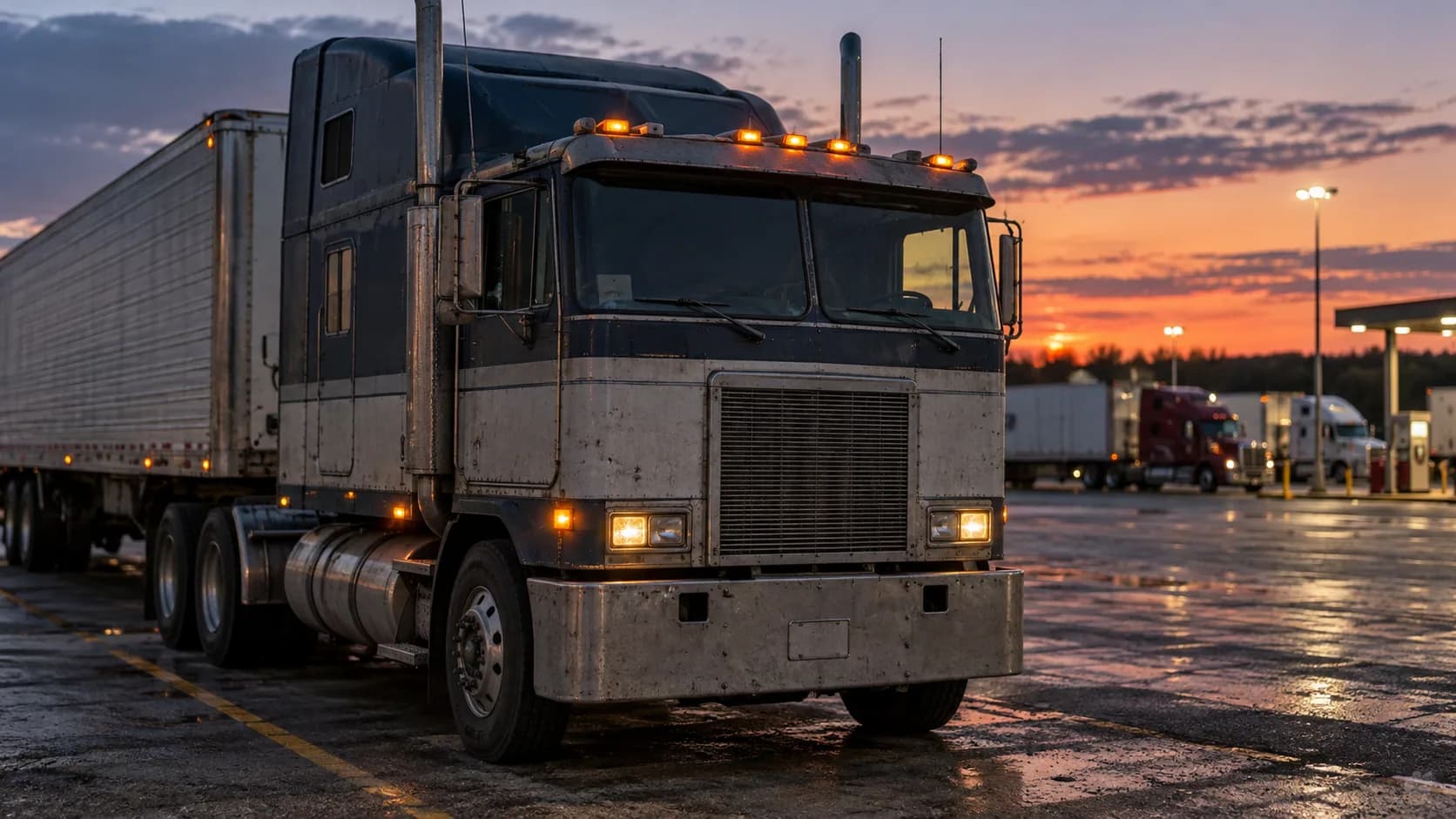
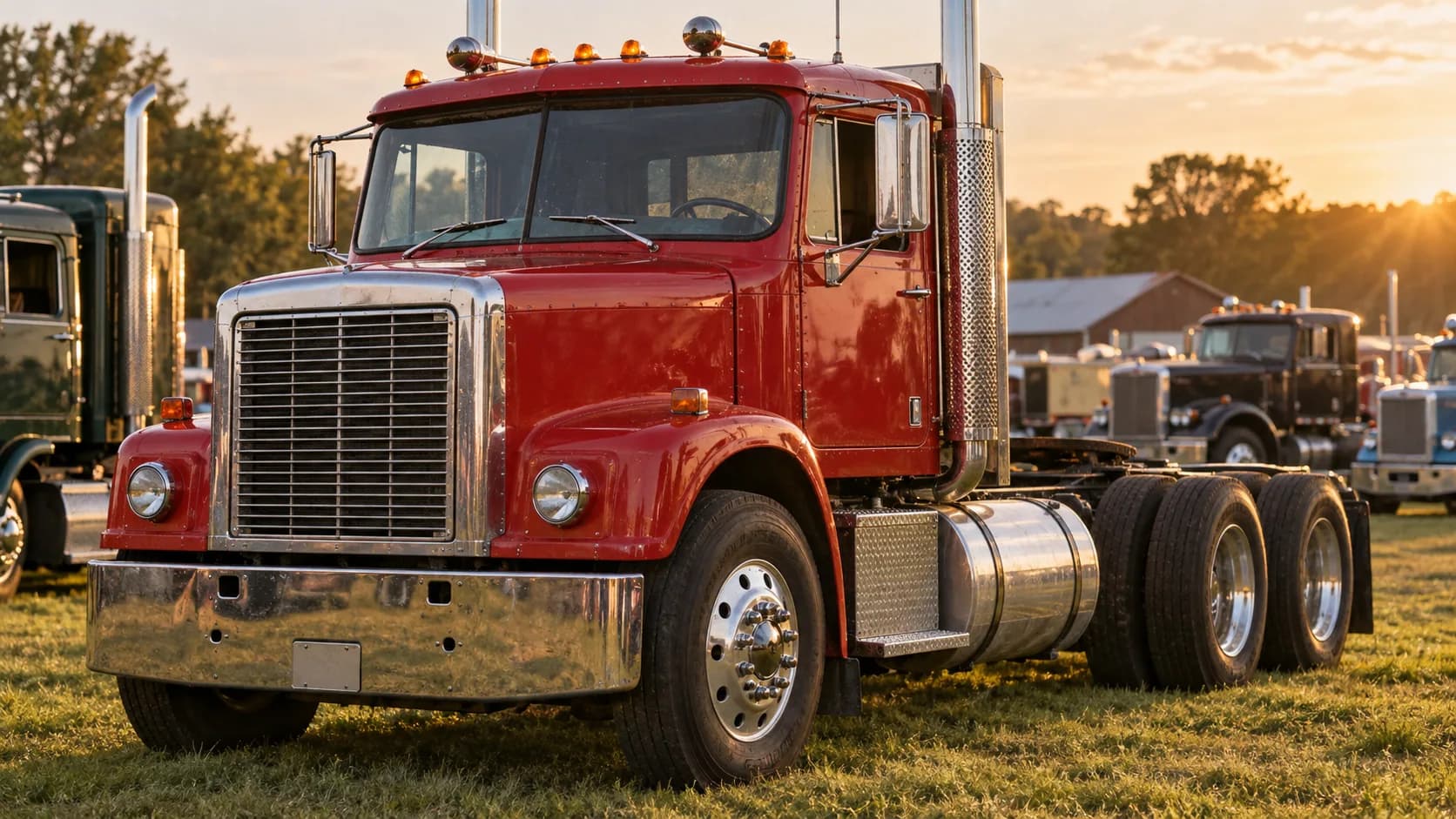
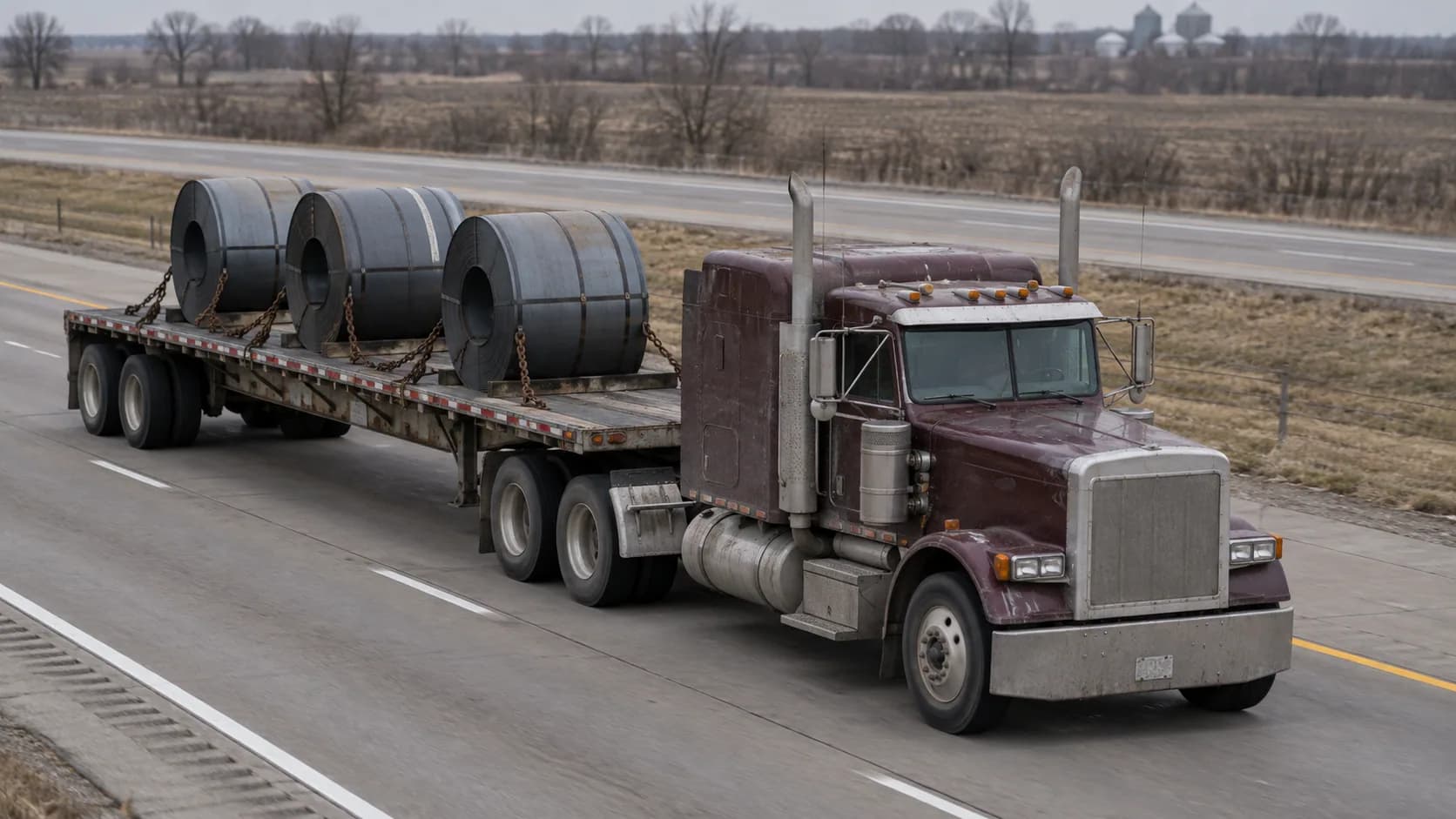
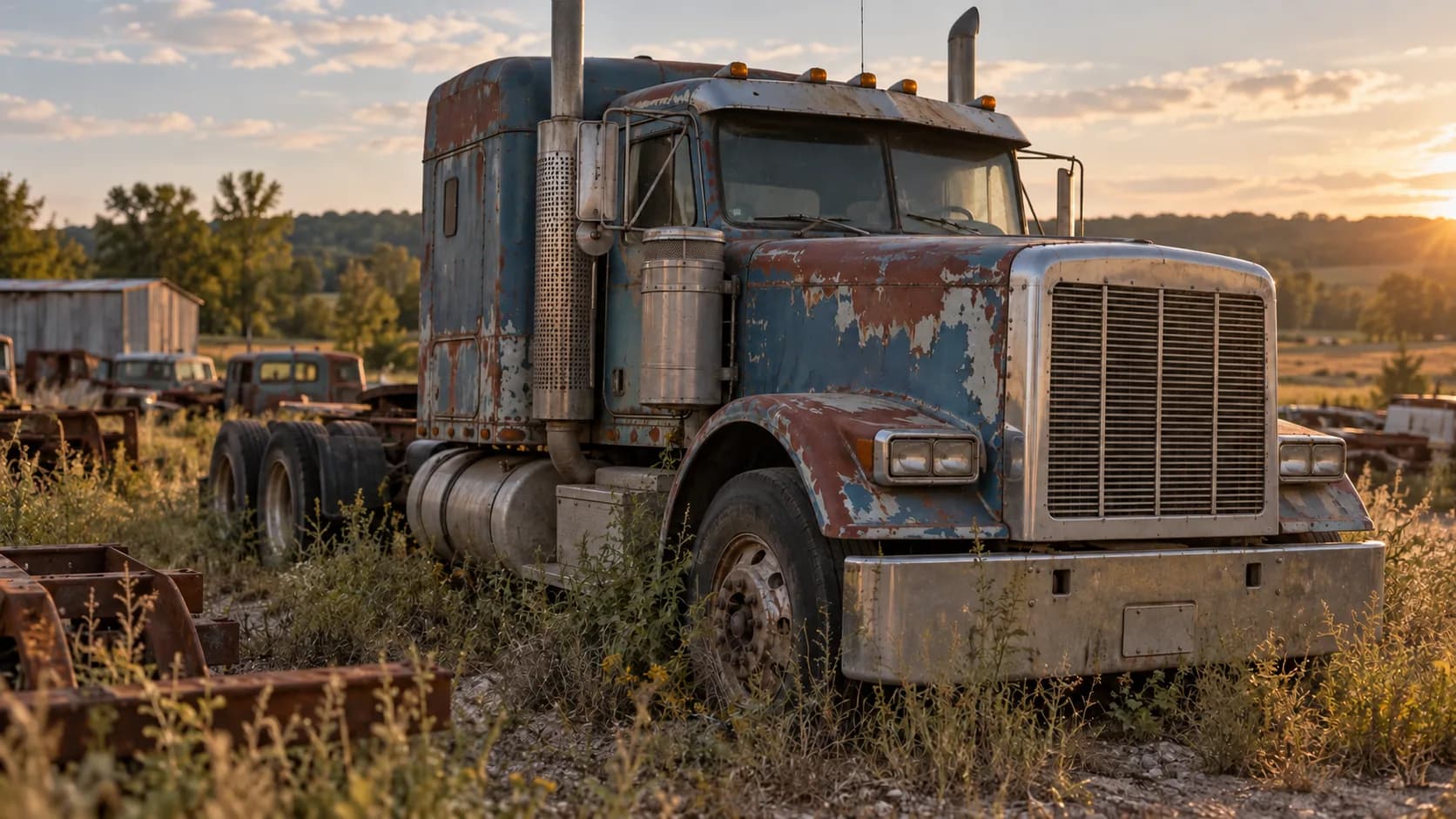
Ford built the biggest truck it ever sold in America in Louisville, Kentucky, and then walked away from the whole business before the century was out. The renders above imagine long-hood haulers at a grain elevator, on an interstate and in a weedy back lot; they are AI images, not photos of a real LTL 9000, and they carry no Ford badging. The truck behind the topic is real, though, and it still turns heads when one rolls into a truck show.
The Louisville Line
The L-series arrived for 1970 and was built at Ford's Kentucky Truck Plant in Louisville, which opened in 1969 as a dedicated L-series plant. The "L" in the name pointed to that plant, and the family became known as the Louisville Line. It came in four size ranges based on gross vehicle weight, with single or tandem rear axles.
The model codes tell you a lot once you know the pattern. Gasoline trucks got three-digit numbers and diesels got four, so a 9000 is a diesel and the top size range, usually sold as a semitractor. A "T" means tandem rear axles. An "N" marked the short-hood models, so an LN was a short-hood straight truck or tractor and an LNT was the tandem version. An "S" meant a set-back front axle and an "A" meant AeroMax.
The LTL 9000 Arrives
The long-hood LL and LTL-9000 joined the line in 1976. Ford gave it a longer hood and a set-forward front axle, which made room for bigger engines and left them easy to reach for routine service. It was aimed squarely at owner-operators who wanted a prestige long-nose truck to rival the Kenworth W900 and Mack Super-Liner, and it offered a wide menu of engines, transmissions and rear axles at a lower price than those trucks. The LTL-9000 was only sold with a diesel.
In 1981 the LL/LTL-9000 got its own grille and headlight styling, including one of the first uses of the Ford Blue Oval on a North American vehicle. The rest of the L-series picked up the oval above the grille for the 1985 model year. For 1988 the grille changed from egg-crate to horizontal chrome bars with the oval centered, and rectangular headlights became standard in 1991. In 1992 Ford added a set-back front axle version, the LLS and LTLS-9000.
AeroMax and the Second Generation
Kenworth's aerodynamic T600 changed the highway market in the mid-1980s, and Ford answered with the AeroMax L9000 in 1988. It shared the cab of the medium-hood LS-9000 but used a set-back front axle and introduced automotive-style composite headlights, along with skirted fuel tanks and an "Aero Bullet" sleeper. In 1992 the extended-hood, set-back-axle LLA and LTLA-9000 AeroMaxes arrived.
The second generation came in 1996. The Louisville nickname became the official model name, the aero tractor became the AeroMax 9500, and both trucks gained a wider cab with a sloping windshield. The AeroMax dropped its composite lamps but got a much more steeply sloped hood. Ford reportedly spent about $500 million developing the updated AeroMax.
Engines: Cummins, Cat and Detroit
In the first generation, the diesel list for the 9000 series started with a Cummins NH230. Options included Cummins N-series engines up to about 350 hp, the Caterpillar 3406 up to 375 hp, and Detroit Diesel 6-71, 6-92, 8-71 and 8-92 two-strokes. The second-generation trucks used turbocharged inline sixes, with the Caterpillar 3406 at up to 475 hp, the Cummins N14 at up to 460 hp, and the Detroit Diesel Series 60 on the list.
Real trucks show how buyers specced them. A 1989 LTL 9000 restored in Tasmania left the factory with a Cummins NTC 365 and an Eaton RTO-14613 13-speed, and was rebuilt to Big Cam III 400 specification. A 1989 AeroMax LTL 9000 featured in American Trucker runs a 425-hp Caterpillar and a 15-speed Eaton Fuller.
Ford Leaves Heavy Trucks
Ford's grip on the heavy market slipped through the 1980s and early 1990s. Deregulation in 1980 squeezed carriers, the AeroMax arrived years after the T600 had set the aero template, and Ford's share fell to around 10 percent. In February 1997, Ford and Freightliner announced that Freightliner would buy the technology, tooling and assembly equipment for the Louisville and AeroMax (known internally as the HN80), plus Ford's service parts business and the Cargo cab-over. Terms were not disclosed; published estimates ranged from about $200 million to $300 million.
Freightliner moved HN80 production to its plant in St. Thomas, Ontario, and in October 1997 named the new company Sterling. Ford's Louisville and AeroMax production ended in 1998, and the Kentucky Truck Plant went on to build Super Duty pickups and SUVs. Sterling sold the trucks as the L-Line and A-Line until Daimler shut the brand down; it stopped taking orders in January 2009.
How to Identify One and Owning It Today
Start with the hood and the front axle. A true LTL-9000 has the long hood with the axle set forward under the front of it, while an LTLS has the axle pushed back. A Blue Oval set into the long-hood grille points to 1981 or later, and horizontal chrome bars with a centered oval point to 1988 or later. Composite, car-style headlights and a sloped, shorter nose mean you are looking at an AeroMax. After 1996, the wider cab and sloped windshield mark the second-generation Louisville, and anything badged Sterling is a Freightliner-era truck.
Owners who restore these trucks describe a few recurring jobs. The hood is fiberglass, so budget for repairs around it. Check the cab and sleeper for water leaks, which on older trucks come from cab and bunk movement. Replacing old electrical wiring and air hoses along the chassis is a common reliability fix. The Tasmanian restoration swapped its original rear suspension for Hendrickson air ride and put the sleeper on air mounts. The American Trucker owner said he fabricated his own front bumper because parts are hard to find, so line up a parts source before you buy. Prices vary widely by condition and spec, and no major valuation guide tracks the model, so judge each truck on its own paperwork and metal.
The LTL 9000 never had the cult of a Peterbilt or Kenworth long-hood, but it gave owner-operators a big Ford with real engine choices and a lower sticker. That is why so many of the survivors still get polished.
Specs
- L-series production
- 1970-1998, Kentucky Truck Plant, Louisville
- LL/LTL-9000 introduced
- 1976
- Layout
- Long hood, set-forward front axle; set-back LTLS from 1992
- Own grille with Blue Oval
- 1981
- First-gen engines
- Cummins NH230 base diesel; Cummins N-series to about 350 hp, Cat 3406 to 375 hp, Detroit 6-71, 6-92, 8-71, 8-92
- Second-gen engines (1996-1998)
- Cat 3406 to 475 hp, Cummins N14 to 460 hp, Detroit Series 60
- AeroMax
- AeroMax L9000 from 1988; AeroMax 9500 from 1996
- Successor
- Sterling (Freightliner), built in St. Thomas, Ontario
FAQ
- What years was the Ford LTL 9000 made?
- The long-hood LL/LTL-9000 was introduced in 1976 as part of Ford's L-series, which ran from 1970 to 1998. From 1996 the line was officially named the Louisville.
- What engine does a Ford LTL 9000 have?
- It was diesel-only. First-generation 9000s started with a Cummins NH230, with larger Cummins N-series, Caterpillar 3406 and Detroit Diesel 71 and 92 series engines as options.
- What is the difference between a Ford LTL 9000 and an AeroMax?
- The LTL 9000 is the long-hood conventional with a set-forward front axle. The AeroMax, introduced in 1988, was the aerodynamic tractor with a medium hood, set-back axle and composite headlights.
- Why did Ford stop making semi trucks?
- Ford's heavy-truck share had fallen to around 10 percent, and in 1997 it sold the Louisville and AeroMax line to Freightliner; published estimates of the price ranged from about $200 million to $300 million. Freightliner sold the trucks under the Sterling name.
Know someone who drove one? Share this guide
Get the Look
As an Amazon Associate we earn from qualifying purchases.
- Ford LTL 9000 diecast model truck — The long-nose Ford on a shelf.
- Ford trucks history book — Background on Ford's truck line from pickups to Class 8.
- CB radio for trucks — The cab accessory every long-hood needs.
Sources
- en.wikipedia.org — Ford_L_series
- en.wikipedia.org — Sterling_Trucks
- curbsideclassic.com — truck-stop-classic-1984-ford-ltl-9000-fords-dont-come-any-bigger-than-this
- roadtrains.com.au — fords-ltl-9000-restoration
- trucksales.com.au — ford-louisville-ltl-9000-resto-review-117640
- fleetowner.com — a-blast-from-the-past
- fleetowner.com — freightlinerford-deal-approved
- jalopnik.com — when-why-ford-stopped-selling-semi-trucks-us
- ttnews.com — sterling-truck-corp-closes-after-11-years
- archive.commercialmotor.com — merc-buys-ford-heavies
- autohistory.org — SAHJ171.pdf
- truckinginfo.com — ford-to-freightliner-transfer-in-progress